
Pick a ½‑inch‑thick, kiln‑dried Western Red Cedar plank, give it a 30‑minute soak in water (or tea for extra aroma), then brush it lightly with oil. Preheat your grill to 400 °F, place the damp plank over the hottest zone until it cracks and sighs, and lay the salmon skin‑side‑down on it. Season or brine the fish as you like, close the lid, and cook 15‑25 minutes without flipping until the flesh reaches 125‑130 °F. Let it rest, slice, and serve with lemon or sauce—more tips await if you keep going.
Pick the Best Cedar Plank and Prep for Smoke
Kick off your grill session by selecting a 100 % kiln‑dried Western Red Cedar plank that’s 7″ × 15″ and about ½” thick. Feel the dry, firm surface; the low wood moisture content means it won’t steam the fish, letting the cedar’s natural oils release slowly. If you crave a nuanced aroma, explore Specialty cedar options—smoked or aromatic varieties that still meet food‑safe standards. Lay the plank on a pre‑heated grill, hear a faint crackle as it toasts, then brush a thin layer of oil to prevent sticking. The scent of fresh cedar rises, mingling with the grill’s heat, promising a mellow, woodsy smoke that will kiss the salmon without overwhelming it. This preparation sets the stage for a perfectly balanced flavor profile. The plank’s high oil content ensures a slow, flavorful burn that enhances the salmon’s natural taste. For long-term use of your cedar planks and grill equipment, proper maintenance like re-seasoning grates will keep your grilling surfaces in optimal condition.

A grilling gift that gets used. Four kiln-dried premium cedar planks in a finished retail box with soaking and grilling instructions printed inside.

Helps pet odor and moisture
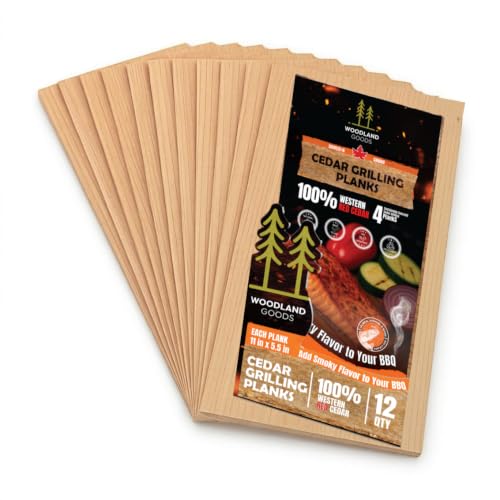
Twelve planks, not four or five. Most premium cedar planks come five to a box. Each 11 x 5.5 inch plank fits a full salmon fillet, two steaks or a tray of vegetables.
Soak Cedar Plank (and Frozen Salmon) the Pros’ Way
Ever wonder how to turn a dry cedar board into a fire‑proof, flavor‑rich platform for your salmon? First, submerge the plank in a shallow pan of water, then a few inches of fruit juice or tea if you want a subtle twist. Place a heavy can on top to weigh it down, and let it soak for at least 15‑20 minutes; for best results, aim for 2‑4 hours, even overnight, to fully saturate the fibers. While the plank drinks, thaw frozen salmon in a cold‑water bath, matching the soak duration so both reach room temperature together. After soaking, drain and pat the board dry, then monitor plank absorption time by feeling the surface—if it feels soggy, you’re ready to grill. For optimal results, your salmon should reach an internal temperature of 130°F–145°F when fully cooked. This method prevents flare‑ups, adds gentle smoke, and keeps the wood from splintering. Thin fillets cook quickly and take on cedar flavor well.
Season and Brine Salmon for Peak Flavor
A well‑balanced brine can turn ordinary salmon into a juicy, flavor‑packed centerpiece, and you’ll notice the difference as soon as the salty aroma hits your nose. Start by mixing 1 cup kosher salt with a gallon of cold water, adjusting the grain size—coarse salt needs a touch more, fine salt a touch less. Submerge the fillet in a shallow 9×13‑inch dish, then refrigerate for 8‑10 hours; this brine duration adjustment lets the salt penetrate without over‑curing. For a quicker boost, try a 15‑minute wet brine using a 6 % solution (5 tbsp salt in 2 qt water) and chill the mixture completely first. If you prefer dry brining, rub the salmon with fine salt and herbs, then let it rest 6‑8 hours. Both methods achieve brine solution optimization, drawing out excess moisture, denaturing proteins, and creating a gel that locks in juiciness for a tender, flavorful bite. Using brown sugar in the brine helps balance saltiness and further retain moisture. After brining, keep your prepared salmon properly refrigerated until you’re ready to grill to maintain its freshness and quality.
Configure Grill for Cedar Plank Salmon: Direct Smoke & Indirect Heat
After the brine has worked its magic, you’ll want to fire up the grill so the cedar plank can impart its smoky perfume. Preheat the grill to a steady 400°F, then place the soaked plank directly over the hottest zone. Let it sizzle for 3‑4 minutes until the wood cracks and fragrant smoke curls upward—this is your direct‑heat stage, creating intense smoke saturation. Flip the plank once the edges begin to char, then slide it to an indirect zone, keeping the lid closed to trap the aromatic vapor. Arrange the salmon fillets offset from the coals, ensuring they sit above the plank but not over open flames. Maintain the 400°F target, watching the lid’s steam for a steady, lingering scent. Properly soaking the plank prevents it from catching fire and ensures even cooking. For best results, ensure your grill grates are clean and consider applying high smoke point oil to create a protective surface that prevents rust and improves your cooking results.

Pre-Soaked Grilling Planks: No preparation, soaking, or waiting are required with Jaccard's patent-pending Ready 2 Grill grilling planks. Pre-soaked with a precise amount of water, simply open the bag, and the wood plank is ready for grilling.

ADDED FLAVOR - Elevate your meals with both subtle smoky taste and fresh wood Western Red Cedar flavor. Great on Salmon, Pork, even grilled fruits and veggies

SOURCED AND MANUFACTURED IN THE USA - Don't be fooled into purchasing unknown wood species from overseas, many of which are toxic. Our planks are always made from Western Red Cedar and made in Idaho.
Cook Cedar Plank Salmon: Time, Temp & No‑Flip Tips
Fire up the grill and let the cedar plank soak up the heat, then lay the salmon skin‑side down and close the lid; the wood will hiss, releasing a smoky aroma that mingles with the fish’s buttery scent. Choose a plank size that comfortably fits the grill and fully supports the fillet—typically a 16 × 8‑inch board for standard portions. Guarantee ideal plank moisture content by soaking it 15‑30 minutes, or up to two hours for thicker, untreated boards, keeping it submerged with a weighted can. Preheat the grill to 375‑400 °F and maintain at least 350 °F. Cook 15‑25 minutes, never flipping; the lid traps heat, letting the salmon reach 125‑130 °F for melt‑in‑mouth texture, then finish at 140 °F before removing. The cedar plank must be soaked for 2‑3 hours to ensure it stays moist and prevents burning. Like seasoning a griddle, applying thin, even layers of preparation creates the best results for even cooking and optimal flavor development.

Sized at just under 5" x 7" x .20" thick (Due to these being imperfect planks, this size may vary). This size is perfect for single servings of food, such as Salmon (other fish), Pork, and even chicken and vegetables. Up your grilling game with these planks!
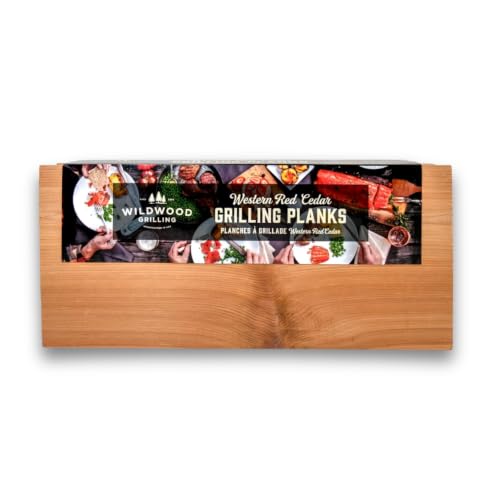
Authentic Grilling Experience: Elevate your grilling with these large Western Red Cedar planks inspired by Native American traditions.

Sourced & Manufactured in the USA - Don't be fooled into purchasing unknown wood species from overseas, many of which are toxic. Our planks are always made from Western Red Cedar and made in Idaho.
Rest, Slice & Finish With Lemon or Sauce
The cedar plank still smolders as you lift the salmon, its flesh glowing at 130 °F and already beginning to climb toward the perfect 140 °F. You perform internal temperature testing and note the quick creep, then set the fish aside for a pre‑rest moisture evaluation; the heat will lift the temperature to a safe 140 °F while keeping the flesh juicy. Let it rest five minutes on the board, allowing the cedar aroma to infuse. Transfer the fillet to a platter, slice against the grain into even portions, and watch the flaky texture reveal itself. Finish each slice with a pat of lemon‑dill compound butter or a drizzle of fresh lemon juice, letting the bright citrus lift the smoky notes instantly. Like other proteins that benefit from proper resting periods, allowing the salmon to redistribute its juices ensures maximum tenderness and flavor. The plank should be soaked for at least two hours to prevent it from catching fire.
Troubleshoot Issues, Add Sauces & Try Variations
If your salmon sticks or dries out, start by checking the plank’s char and positioning; a well‑charred, properly soaked cedar board placed just off the direct heat creates a non‑stick, moisture‑retaining surface. Keep the skin side down, use a thin flipper to slide the filet gently, and pull it off at 130°F when white liquid bubbles appear. For sauce variations, whisk together honey‑soy glaze, lemon‑dill yogurt, or a spicy mango salsa; each adds moisture and bright flavor without masking the smoky aroma. Consider nutritional considerations: choose low‑sodium soy, swap honey for agave, or enrich yogurt with probiotic cultures for gut health. Drizzle the sauce after removing the plank, let the salmon rest, then slice and serve. Dampen the cedar plank before grilling to prevent it from catching fire. Like a well-maintained grill surface, a properly soaked cedar plank requires routine preparation to ensure optimal cooking performance and prevent sticking.