Smoke a 6‑lb brisket at 225 °F for roughly 6‑8 hours, or bump the temp to 250 °F and aim for about 6 hours total. Wrap it in foil or butcher paper once the internal temperature hits 165‑170 °F, then continue cooking until it reaches 202‑203 °F for perfect tenderness. Let it rest for 2‑3 hours in an insulated cooler before slicing. Follow the next steps to fine‑tune your process for altitude, equipment, and common pitfalls.
Preparing a 6‑lb Brisket for the Smoker
You’ll start by trimming the brisket to a uniform 1/4‑inch fat cap, removing silver skin, hard fat pockets, and any thick fat between the point and flat. Use a knife chilled in the freezer; it slices cleanly, letting you trim brisket efficiently without tearing. Aim for a 6‑lb final weight, discarding roughly 20‑30 % of the original mass. After trimming, pat the meat dry, then let it rest 30‑60 minutes at room temperature to eliminate chill. While the meat acclimates, choose ideal wood chips—pecan, cherry, hickory, oak, or post oak—to generate a thin, blue smoke. Apply a thin binder of mustard or oil, then season with a 2:1 ratio of coarse salt rub to pepper‑heavy rub, covering every surface. Allow the seasoning to set 15‑30 minutes before loading the smoker. The brisket should be placed fat‑cap side down on a cutting board. make the grain marking easier. Resting the meat allows it to reach the ideal internal temperature range for optimal tenderness and moisture retention.
Select the Ideal Smoker Temperature and Estimate Cook Time for a Smoked Brisket
A well‑chosen smoker temperature determines both the texture and the timeline of a 6‑lb brisket, so aim for 225 °F for a classic low‑and‑slow result that typically finishes in 6–8 hours, or bump to 250 °F if you prefer a steadier 1‑hour‑per‑pound pace and a slightly shorter 6‑hour window. Begin with a thorough seasoning application, then preheat the smoker to lock in temperature consistency. At 225 °F, expect roughly 45 minutes per pound, yielding about 4.5 hours unwrapped before the stall at 150‑165 °F. At 250 °F, the brisket will progress at one hour per pound, reaching the stall in three to four hours. Maintain steady heat, adjust for altitude if needed, and keep the lid closed to preserve the set temperature throughout the cook. After reaching your target internal temperature, wrap the brisket in pink butcher paper to preserve moisture while it continues cooking. Smoking time for a 6‑lb brisket is typically 6 hours at 250 °F.

【100% Natural Hardwood — Pure, Clean Smoke】Crafted from pure hardwood with no chemicals, no fillers, and no artificial additives, these smoking wood chips burn clean and deliver true hardwood smoke. Perfect for buyers seeking natural, safe, and high-quality BBQ smoking wood chips that enhance flavor without harshness.

Authentic Charcoal BBQ Flavor: Experience real BBQ flavor with this mini charcoal grill and portable charcoal smoker for ribs, chicken, steak and vegetables in your backyard or camping adventures
SO TENDER, SO JUICY, SO UNFORGETTABLE - Take your charcoal smoker grill to the next level & become a master griller. With its vertical design, this barrel smoker turns any meat into a unique flavor experience. Thanks to its slow cooking and perfect smoking system, every bite is infused with deep smoky flavor and melt-in-your-mouth texture.
Monitoring Internal Temperature of a Smoked Brisket and When to Wrap
After setting the smoker to 225 °F and estimating a 6‑8‑hour window, the real cue for success shifts to watching the internal temperature. Use a wireless leave‑in thermometer to track the thickest point, avoiding fat pockets, and let the app alert you at key thresholds. The stall will appear near 150 °F as moisture evaporates, then plateau between 145‑165 °F. When the probe reads 165‑170 °F—your ideal wrap timing—wrap the brisket, preferably with foil and a splash of apple juice, to preserve moisture and accelerate the stall’s end. Maintain proper smoke configuration by keeping the lid closed and the smoker steady, then continue cooking until the internal temperature reaches 200‑205 °F, aiming for 202‑203 °F for preferable tenderness. Patience and precise temperature control are essential throughout the smoking process to achieve optimal results. A good brisket should have a consistent marbling to ensure flavor and juiciness.

Ultra-Long Wireless Range:Monitor your food from up to 3000 feet away with Sub-1G wireless technology, which has stronger penetration than bluetooth and delivers signals more stably. Perfect for outdoor BBQs, grilling, or large kitchens, giving you freedom to move without missing a temperature change.

Smart Display Base with Control: The ThermoMaven G1 wireless meat thermometer features a versatile smart display base that offers real-time temperature readings and allows you to set temperatures directly on the device—no app required. With our user-friendly one-click setup, you can connect the probe, pair it with the base, and start cooking in seconds—no complicated setup needed!

Truly Wireless Food & Meat Thermometer: 100% wire-free, the MEATER Plus gives you complete flexibility and freedom in your cooking. Monitor everything from steak and chicken to turkey and roasts with precision, all guided through the MEATER app.
Spritzing a Smoked Brisket and Developing Bark
Why does spritzing matter? It raises surface humidity, letting smoke cling and the Maillard reaction flourish, which deepens bark color and flavor. Begin the spritzing technique three to four hours into the smoke, once the rub has set and the bark darkens. Apply a fine mist every 30 minutes to an hour, using a tight nozzle or pastry brush to cover dry patches rapidly. Choose spritz recipe variations that suit your palate—equal parts apple juice, vinegar, and beer; half water, half apple cider vinegar with Worcestershire; or a heated apple‑juice‑sugar blend. A heavy spritz before sealing the brisket guarantees a glossy, caramelized crust. This disciplined moisture management adds roughly one hour to total cook time while preventing drying and enhancing bark development. Adding vinegar to your spray also helps break down proteins for a more tender bite. Using a remote temperature probe minimizes smoker openings that can disrupt humidity levels and temperature consistency during the spritzing process.

Fine mist ACV spritz and basting spray for smoking and grilling. Light coat for bark on brisket, ribs, and pulled pork—not a heavy soak
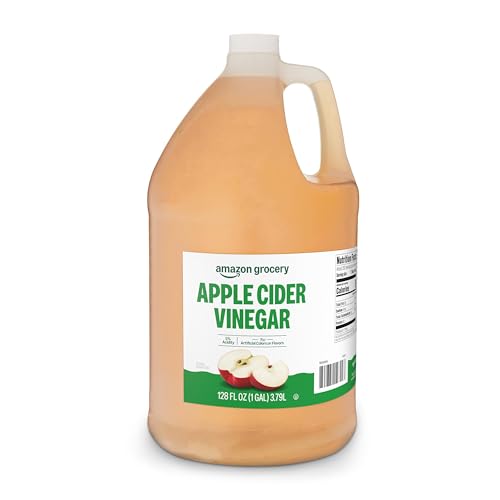
One gallon bottle of Apple Cider Vinegar

100% Raw-unfiltered
Resting a Smoked Brisket for Maximum Moisture
Spritzing gives the bark its glossy finish, but the true test of moisture comes after the fire is out. You must let the brisket rest long enough for internal pressure to fall and juices to redistribute, which maximizes moisture retention. Aim for a resting duration of two to three hours; this window lets connective tissue gelatinize and re‑hydrate the meat while the fat retains heat. If time is short, a minimum of one hour will still improve juiciness, but shorter rests leave steam trapped, causing dryness when you slice. Wrap the brisket in butcher paper or foil and place it in an insulated cooler with towels to maintain a safe temperature. This method prevents premature juice loss and guarantees every slice remains succulent. Resting allows muscle fibers to relax and reabsorb moisture, ensuring the meat stays more moist. For best results, your brisket should have reached an internal temperature of 190°F to 200°F before wrapping and resting to ensure proper tenderness and texture.
How to Tweak Your Smoke Plan for Altitude and Equipment
Ever wondered why your brisket takes forever at 7,200 ft? At altitude the thinner air reduces oxygen, so you must enlarge your fire. Double‑up your fuel composition: start with a generous base of lump or briquette charcoal, then add fuel every 30 minutes to keep the chamber at 225‑250 °F. Avoid lighter fluid; it taints the smoke. Monitor weather closely—wind shifts and temperature swings can drop chamber heat within minutes, so adjust vents and add fuel preemptively. Aim for an internal temperature 5‑7 °F lower than sea‑level targets, typically the mid‑190s. Use a water pan or Texas crutch to counteract the lower boiling point and retain moisture. Consider complementing your high-altitude smoking technique with traditional BBQ sauces to enhance the final product. With disciplined fuel management and vigilant weather monitoring, your high‑altitude brisket will finish predictably and stay tender. The brisket may experience a secondstall at higher temperatures due to altitude‑related moisture loss.
Avoid Common Mistakes and Fix Problems Quickly
When you spot a problem—whether it’s a temperature dip, a soggy bark, or a dry finish—you can correct it instantly by adjusting one variable at a time, because each mistake has a clear, actionable remedy. If the smoker drifts below 225 °F, raise the heat a few degrees and monitor the internal gauge; a quick rise prevents a stall‑induced dry flat. When the bark softens, cut back spritzing and wrap only after the surface firms at 4–5 hours. For brisket weight variations, apply cooking time adjustments proportionally: add roughly 30 minutes per extra pound, but keep the 225‑250 °F window steady. Trim the fat cap to a quarter inch, season generously, and let the meat rest two hours at 150 °F to lock in juices. This disciplined, step‑by‑step approach eliminates common pitfalls and preserves flavor. Place a water pan underneath the brisket to maintain moisture throughout the smoking process. Beginners should choose the point cut because it is more forgiving and easier to smoke.