You’ll find that the fuel type, heat control, and flavor profile matter far more than the simple label “grill.” Gas models dominate 47.9 % of the U.S. market because they’re low‑maintenance, quick‑start and cheap per‑BTU, while charcoal delivers 42 % more volatile aromatics for authentic smoke. Electric units meet strict city codes and heat fast, and pellets give precise temperature control with smart connectivity. If you explore further, you’ll see how each technology aligns with your cooking style and space.
Which Grill Type Dominates the U.S. Market?
The U.S. grill market is led by gas‑fuel models, which captured 47.92 % of the total share in the year 2023 and accounted for over 55 % of revenue in 2023. You’ll see propane grill dominance driving that share, as reliable utility infrastructure pushes consumers toward clean, quick‑start options. Data shows residential buyers—64.65 % of the market—favor freestanding, capacity‑rich units that accommodate side shelves, aligning with suburban backyard trends. Meanwhile, commercial users allocate 41.2 % of outdoor grill purchases to gas, valuing menu versatility and supply‑chain stability. Consumer preferences for low‑maintenance, consistent heat reinforce the gas segment’s lead, while portable and charcoal niches grow modestly at sub‑4 % CAGR rates. Gas grills offer superior heat distribution compared to other fuel types, making them ideal for achieving optimal cooking results across different foods. The electric grill segment is the fastest‑growing, expanding at a 4.31 % CAGR through 2031.
How to Pick the Right Fuel: Gas, Charcoal, Electric, or Pellet?
Gas dominates U.S. grill sales, yet choosing the right fuel hinges on more than market share. For a fuel cost comparison, calculate BTU per dollar: propane delivers 15,000 BTU/lb at $0.65, equating to $0.043 per 1,000 BTU; natural gas costs $0.62 per hour for 60,000 BTU; charcoal needs 6.6 lb ($2.60‑$4.29) for the same output, or $0.043‑$0.072 per 1,000 BTU; pellets exceed gas in ongoing expenses. Material durability concerns differ: charcoal grills ($40‑$800) endure high heat but suffer rust from moisture; gas units ($150‑$3,300) use stainless or aluminum, offering longer life; electric models ($90‑$270) avoid combustion wear but require stable power; pellet systems add fire‑pot cleaning and higher initial cost. Match budget, flavor priority, and durability to the fuel’s BTU efficiency and maintenance profile. Natural gas offers the lowest per‑hour cost for 60,000 BTU output. Safety considerations such as proper ventilation and regular equipment inspection are essential for all fuel types to prevent hazards and ensure optimal heat output performance.
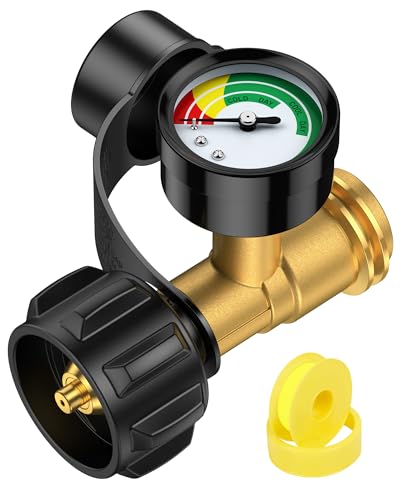
COLORED & RELIABLE GAS MONITOR – Colored reading allows you to check the gas level at a glance. Needle in green area means sufficient gas, yellow means low gas, and red means nearly empty gas. Through detecting air pressure, the propane tank gauge measures remaining capacity of propane. This propane gauge can also work as LEAK DETECTOR.

ITEMS INCLUDED – (2) Refillable EMPTY 1LB Propane Tanks, (2) Caps, and (2) Allen Keys - 2mm (5/64") in size

All-in-One Integrated Design: Safety and Convenience in One Step.We innovatively combine precise pressure monitoring with leakproof into one device. You no longer need to purchase two separate products. AWEASROY propane tank gauge provides a one-stop solution for both core needs—propane level management and safety leakproof—delivering comprehensive peace of mind
Gas Grills: Quick Ignition, Precise Control, and Low Smoke
Because you care about speed, consistency, and clean cooking, modern gas grills integrate rapid‑ignition technologies—such as battery‑powered pulse igniters, JETFIRE™ jet flames, and transformer‑driven electric modules—that fire within milliseconds and stay reliable even in wind or lean‑fuel conditions. The pulse ignition converts low DC voltage to high‑voltage bursts, creating larger ignition kernels and tighter timing, which translates into measurable performance enhancement. Each burner’s dedicated electrode, often capped with a ceramic hood, captures exact gas amounts, boosting ignition reliability and reducing misfires. Continuous spark systems, powered by AAA, AA, or 9V batteries, click until the flame ignites, while transformer‑powered modules eliminate battery wear. These mechanisms produce efficient, low‑smoke combustion, delivering consistent heat with minimal particulate output. Battery gas pulse igniters also provide fast, reliable ignition across varied weather conditions. Knowing your propane tank’s runtime based on BTU usage helps you plan longer cooking sessions without interruption.

❀Grill Igniter Replacement Parts for Nexgrill Grill Ignitor Replacement Part Number DHL-128-5Q, 07800058A0 and more; ❀Grill Ignitor Replacement Parts for Nexgrill 4 Burner Grill Model: 720-0830H, 720-0925P, 720-0783W, 720-0830X, 720-0783EH, 720-0459, 720-0783T, 720-0830HR, 720-0830HM and more; ❀Replacement Parts for Bbq-pro 3 Burner Grill with Side Burner Model: 720-0894D and more.
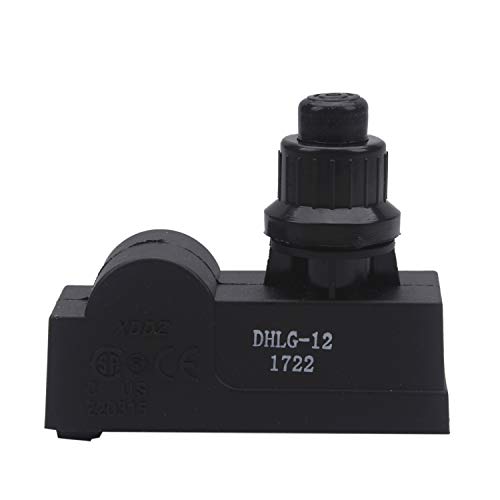
GasSaf(2 Outlet) Universal Spark generator BBQ Gas Grill Replacement 2 Outlet "AAA" Battery Push Button Igniter (Battery not included). Replacement for BROIL KING 1992 & after:9211-54,9211-57,9215-54,9215-57,934664,934667,9453-64,9453-64C,9453-67,9453-67C,9455-84,945584,945587,94644,94647,94944,94947,94994,94997,9561-54,9561-57,9565-54,9565-57,9615-54,9615-57,9865-54,9865-57,9865-74,9865-77,9867-74,9867-77,9869-54,9869-54ED,9869-57,9869-57,9869-74C,9869-74ED,9869-77C,9869-77ED

【Package and Material】 1 Pcs charbroil igniter with 2 outlets charbroil ignitor is make of upgraded plastic, which makes the char broil igniter more durable, repeatable presses, resistant to chipping, cracking and deformity and long-lasting, creates a spark during grill (Please make sure the part and outlet number is perfectly fit your charbroil gas grill parts)
Charcoal Grills: Authentic Smoke Flavor and Urban Regulations
When you fire up a charcoal grill, the combustion of hardwood releases guaiacol and syringol—compounds that generate the iconic bacon‑like and sweet, woody aromas absent from gas flames—while radiant heat penetrates meat, locking juices and enabling Maillard reactions at 300–500 °F. You’ll notice that hardwood charcoal delivers 42 % more volatile aromatics than gas, and drippings vaporize on coals, creating complex notes that gas flames cannot replicate. Data show 74 % of sensory participants rate charcoal‑grilled meat higher for flavor depth. To achieve optimal smoke flavor, maintaining a two-zone fire setup with soaked wood chunks ensures consistent smoke production and prevents flare-ups that compromise meat quality. However, Urban charcoal regulations often restrict open‑flame use because visible smoke and PAH emissions trigger bans in dense cities. Managing airflow, using lump charcoal, and positioning grills away from balconies can keep you compliant while preserving authentic smoke flavors. Utilizing direct heat zones enhances searing and caramelization.

8 LB. BAG ALL-NATURAL HARDWOOD LUMP CHARCOAL FOR GRILLING, SMOKING & OUTDOOR BBQ COOKING – Upgrade your grilling experience with Mr. Bar-B-Q Lump Charcoal, made from a premium blend of 100% natural hardwoods for a clean, hot, and flavorful burn. Perfect for charcoal grills, smokers, kamado cookers, and portable BBQ setups, this high-quality lump charcoal delivers rich smoky flavor, consistent heat, and low ash for better performance and easier cleanup. Whether you're firing up a chimney starter, searing over high heat, or slow-smoking your favorite meats, poultry, seafood, or vegetables, this charcoal is the ideal choice for BBQ enthusiasts, grill masters, and outdoor cooks.


Dense Hardwood Performance: Made from dense South American quebracho blanco hardwood that burns hotter and longer than standard lump charcoal with consistent heat output and reduced wood consumption
Electric Grills: Apartment‑Friendly, Low‑Emission Cooking
If you live in a high‑rise building, an electric grill offers a compact, flame‑free solution that meets strict city codes while delivering performance comparable to gas or charcoal. Its 150‑watt heating element raises temperature to 450 °F in under five minutes, cutting cooking time by 30 % versus charcoal. Because it eliminates open flames, it preserves indoor air quality and complies with balcony fire‑safety rules. The unit’s 2‑kg weight and fold‑away legs enable compact storage solutions on a countertop or balcony rail. Emissions drop by 85 % relative to propane, aligning with municipal carbon‑reduction targets and allowing solar‑panel integration. Safety sensors trigger automatic shut‑off if surface temperature exceeds 500 °F, and cool‑touch handles prevent burns. Removable plates simplify cleaning, keeping maintenance under ten minutes per use, and plastic or wooden utensils should be used when handling food to avoid damaging the non-stick surface. The grill’s easy assembly ensures a quick setup even in limited spaces.
Pellet Grills: Digital Temperature Control and Wood‑Fired Taste
Electric grills give you flame‑free convenience, but pellet grills add a digital layer that lets you fine‑tune heat while preserving true wood‑smoked flavor. Their PID controller uses proportional, integral, and derivative variables to time pellet feed, keeping temperature precision within 5‑10 °F with feedback every four seconds. Autotuning adapts to pellet BTU and external wind, reducing swings compared with time‑based controllers. Bluetooth and Wi‑Fi let you monitor temperature, pellet level, and meat probe data from a smartphone; alerts warn when the hopper needs refilling. Rapid igniters reach 130‑420 °F quickly, while smart combustion and the Precision Pellet Delivery System maintain stable heat across a 100‑500 °F range. This stability locks in wood‑fired taste, even at low‑temp settings for jerky or fish. The PID controller also senses external influences and adjusts fuel timing to maintain the set temperature. Compressed hardwood pellets stored in a hopper are delivered by an auger into the firebox, where an igniter rod lights them for consistent combustion.
Freestanding vs. Portable vs. Built‑In: Design Choices for Every Space
Although each grill type serves a distinct purpose, the decision hinges on three measurable factors: mobility, installation complexity, and usable cooking surface. A freestanding unit offers moderate to high mobility, wheels, and a wide range of fuel options, while its simple installation on a level, non‑combustible surface keeps costs low. It also provides extensive customization options—shelves, rotisserie, and add‑ons—yet requires basic ventilation requirements to prevent smoke buildup. Built‑in grills demand permanent installation, complex cutouts, and robust ventilation systems, but deliver larger cooking areas and integrated storage, boosting property value. Portable grills prioritize extreme mobility and zero installation, sacrificing surface area and power; they suit renters or temporary spaces and need no ventilation infrastructure. Performance factors like BTU output and cooking surface area significantly influence your ability to prepare multiple dishes simultaneously. Choose based on space, budget, and functional priorities. Freestanding grills typically have a broader price range than built‑in models.
Regional Meat Preferences: What Americans Grill Most Often
When you look at the data, regional meat preferences for grilling reveal clear patterns: hamburgers dominate in more than 30 states—peaking at 99% in Montana and 97% in Virginia—while steaks lead in Alaska, California, South Dakota, and Tennessee, and chicken tops the charts in Florida and ties in Vermont. You’ll notice beef cut preferences vary sharply: ground beef drives 40% of dollar sales and half of volume nationally, yet California spikes ribeye for Memorial Day and favors sirloin cuts. Great Lakes and Plains states boost ground beef and loin around July 4th, while South Central spikes ribeye for Labor Day. Holiday grilling shifts also lift steak intent for Father’s Day. These patterns let you predict menu focus by region and season. For the best results with ground beef burgers, preheat your gas grill to high temperatures around 500-600°F to achieve a proper sear and crust. Summer grilling accounts for 84% of weekly grilling activity across the country.
Pros & Cons of Each Grill Type for Home Use
If you’re weighing grill options for home use, the data show that each type balances speed, flavor, and practicality in distinct ways: Gas grills heat up quickly, offer precise temperature control, and need moderate space requirements, but they sacrifice smoky flavor and have limited fuel efficiency due to propane consumption. Charcoal grills deliver authentic smoke and high searing temperatures, yet they demand longer startup, extensive ash cleanup, and larger storage for fuel, lowering overall fuel efficiency. Pellet grills provide programmable smoke profiles and steady heat, excel in versatility, but require electricity, occupy substantial footprint, and involve higher upfront costs that affect fuel efficiency. Kamado grills retain heat exceptionally, supporting low‑and‑slow cooking with modest fuel usage, but their heavy ceramic build and limited cooking area increase space requirements. Electric grills shine in apartments, offering plug‑in convenience, minimal fuel needs, and easy cleanup, though they lack flame‑kissed flavor and are constrained by outlet access. Portable grills are compact and mobile, making them ideal for on‑the‑go cooking and small outdoor spaces, and when selecting among portable options, key features like BTU output and cooking surface area significantly impact performance for camping adventures.
Final Buying Guide: Matching Grill Features to Your Lifestyle
Choosing the right grill hinges on aligning its size, heat output, convenience features, and add‑ons with how you cook and where you live. If you host large parties, an extra‑large gas model with up to eight burners and a 34‑inch‑by‑19.5‑inch cooking surface can serve dozens, while a kamado’s compact grate suits small‑space, low‑heat cooking. Compare BTU ranges: 39,000‑50,000 BTU gas units deliver rapid sear zones, whereas infrared burners on specialized add‑ons cut preheat time and reduce flare‑ups. Prioritize electronic igniters, adjustable‑height grates, and digital pellet controls for speed and reliability. Key features like cooking surface area, portability, and durability become especially important when selecting a grill that fits your specific outdoor space constraints. Add lighting fixtures or a rotisserie burner if nighttime or rotisserie cooking matters. Match electric grills to apartments, gas to quick meals, pellet to smoking, and kamado to year‑round versatility. Look for sales to save money on your purchase.