Choose a firm, evenly marbled rack, trim the ends, and score the fat cap and bones in a diamond pattern. Rub a mix of olive oil, garlic, rosemary, thyme, lemon zest, salt, and pepper into every cut, then let it sit 1‑2 hours at room temperature. Preheat the grill to a hot direct zone (500‑600 °F) and a cooler indirect zone (250‑300 °F). Sear the meaty side 3‑4 minutes per side, rotating for even crust, then move it to the indirect zone until the internal temperature hits 125‑130 °F for medium‑rare. Rest 5‑15 minutes before slicing, and you’ll uncover more tips ahead.
Select the Best Rack of Lamb and Apply a Simple Seasoning
I’ll walk you through picking the perfect rack and seasoning it simply so the lamb’s natural flavor shines. First, feel the meat; it should be firm, pink‑to‑light‑red, with a fine‑grained texture. Look for even marbling—this is ideal marbling selection, ensuring buttery tenderness and consistent flavor. Verify the fat is white and firm, and that the aroma is mild, not sour. Choose a rack trimmed to expose the rib bones, giving the classic “lollipop” look. For seasoning, pat the rack dry, then drizzle a thin layer of olive oil. Apply a modest amount of salt and freshly cracked pepper, followed by a proper rub application of minced rosemary and thyme—just enough to enhance, not overwhelm, the meat’s delicate profile. Using an instant-read thermometer during cooking will help you achieve the exact doneness you prefer. The rack typically yields about eight rib chops, making it a prime cut for elegant presentations.

New Zealand Origin: Raised on New Zealand’s lush, open pastures, delivering exceptional flavor, tenderness, and quality.

Tender and flavorful no-antibiotics-ever 100% grass-fed New Zealand lamb ready for your favorite preparation

New Zealand Origin: Raised on New Zealand’s lush, open pastures, delivering exceptional flavor, tenderness, and quality.
Score the Rack for Maximum Flavor and Rub in Herbs
Now that the rack is trimmed and seasoned, score the fat cap and the exposed bones to let the herb rub work its way deep into the meat. Use a short stubby boning knife to cut shallow diamond‑shaped scores ¼ inch deep, spacing them ½‑1 inch apart across the fat cap. This pattern boosts surface area by 20‑30 % for maximizing flavor absorption while preserving juiciness. Prepare a rub by mixing finely chopped garlic, rosemary, thyme, olive oil, salt, pepper, and a touch of lemon zest. Press the rack fat‑side up and massage the rub into every cut, ensuring it reaches between the bones. Let the rack rest 1‑2 hours at room temperature; the rub will adhere, enhancing presentation appeal and deepening flavor penetration. Like steak on the grill, maintaining proper seasoning throughout the cooking process ensures a tender, flavorful result. Trim the notches at either end about 4 cm down from the top of the bones to create a clean, uniform shape.
Set Up Direct and Indirect Heat Zones on Your Grill
Three‑zone grilling starts with a clear division: one side of the grill provides searing heat, the opposite side stays cool for indirect cooking. Light the burners on the hot side to high, or bank charcoal there, and leave the other side off. Preheat for 10‑15 minutes, then lower the hot burners to medium‑low for indirect cooking. On a three‑burner gas grill, ignite the two outer burners and keep the middle off; on a four‑burner, light two opposite burners and turn the other two off. Use a grill‑ready thermometer in each zone for temperature monitoring, aiming for 500‑600 °F in the direct zone and 250‑300 °F indirect. Adjust vents or flame to maintain consistent heat management, creating an oven‑like environment for the rack of lamb. For charcoal grills specifically, modulating the top damper allows you to fine‑tune temperatures while keeping the bottom vents open for optimal airflow. Mastering the 2‑zone technique ensures even cooking and optimal flavor.
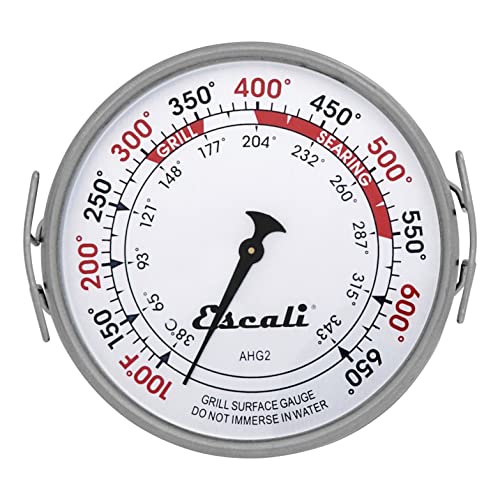
Temperature Range: 100° to 650°F / 38° to 343°C. Dial Diameter: 3.5 inches

BBQ / Grill pit thermometer, safe and environmentally friendly.

[FAST & ACCURATE READING] Respond just within 2-3 seconds. The diameter of the dial plate is 2-3/8”, which is big enough for easy reading. With a 4 color-coded temperature range, you can grasp the internal temperature of grills at a glance. Featuring high-temperature measurement sensitivity, the grill thermometer is capable to detect temperature changes with an accuracy of ±0.5% during the entire cooking process.
Sear the Rack of Lamb for a Perfect Crust
If you preheat the grill to at least 400 °F and then raise the zone to 600‑650 °F, the rack of lamb will develop a caramelized crust in just a few minutes. Lay the rack directly on the hot grates, meaty side down, and seal the lid to suppress flare‑ups. Rotate the rack every minute, flipping after 3‑4 minutes on each side, to guarantee even browning and to achieve the ideal sear duration. Include the bone side and stand the racks upright for a bottom crust. Use foil under the bones and cover them with foil if needed to prevent burning. Monitor the internal temperature, aiming for 125‑130 °F before you finish the cook, and let the meat rest briefly for perfect crust development. French the bones to expose the clean bone surface for a more elegant presentation. For optimal results, allow the lamb to rest for 5‑15 minutes after searing to let the juices redistribute throughout the meat.

REINFORCING TENDONS DESIGN➤Two reinforcing tendons are added horizontally and vertically on the bottom plate of the furnace, which makes the structure more temperature, will not break under the continuous high temperature, and will not be deformed, and can be used for a long time.

More air flow - starts easier and burns hotter with less charcoal. Doesn't clog with ash and charcoal and eliminates frequent. If the size of the hole is not suitable,which clogged easily with smaller chunks of wood and charcoal.Use our cast iron ash grate,this keeps the coals out of the vent,fastest and easiest way to reach and maintain high or low grill temperature

Material☛ Heavy duty stainless steel, size 12" bottom grate that holds the charcoal.The thickness of the bars is 6mm (0.24 inch)
Finish Grilling the Rack of Lamb Indirectly for Medium‑Rare
After achieving a caramelized crust on the hot side, move the rack to the cooler, indirect zone to finish cooking. Place the lamb bone‑up, flat on the side where the burners are off or the coals are banked away. Close the lid immediately and set the grill to a steady 225‑250 °F. Monitor grill temperature every few minutes and adjust heat as needed to keep the zone within that range. After 15‑20 minutes, check the internal reading with a quick-read meat thermometer; it should be rising slowly toward 125‑130 °F for medium‑rare. Keep the lid sealed, resist the urge to flip, and maintain the indirect medium‑high zone at 350‑375 °F if you added a smoke tube. Once the target is reached, remove the rack and proceed to the final sear or rest step. Use a sharp knife to trim any excess fat before serving.
How to Test Doneness With a Thermometer and Rest the Lamb?
You’ll know the lamb is ready when the probe reads 105 °F (41 °C) in the thickest part, because a 5‑10 °F carry‑over will bring it up to the medium‑rare target of 130‑135 °F (54‑57 °C). Insert a leave‑in probe horizontally into the rack’s center, avoiding bone and fat, and set the high‑temp alarm at 105 °F. When the alarm sounds, remove the rack and tent it with heavy‑duty foil on a sheet pan. Rest for five to ten minutes; this proper carryover cooking lets the internal temperature climb to the ideal resting temperature of 130‑135 °F. During rest, juices redistribute, yielding tender, juicy meat. To prevent overcooking, use a meat thermometer to verify final doneness with an instant‑read thermometer; a post‑rest reading of 145 °F confirms USDA‑safe medium‑rare. The RFX GATEWAY™ provides visual temperature tracking throughout the cooking process.
Baste the Lamb and Add a Pepper‑Jelly Glaze
A generous brush of the pepper‑jelly glaze during the last five minutes of grilling transforms the lamb’s surface into a glossy, caramelized crust while infusing it with sweet heat. Melt the habanero jelly over medium‑low heat, stir in ¼ cup rice vinegar and a splash of hot water until the mixture is smooth and pourable. Add a pinch of salt, black pepper, and red pepper flakes to amplify sauce versatility and flavor dynamics. Using a silicone brush, coat each side of the rack for about one minute, rotating the meat to guarantee even coverage. Apply the glaze three times, allowing the heat to caramelize the sugars and create a crisp, fiery crust. Reserve a small portion for a final drizzle after the lamb rests. Ensure the lamb reaches an internal temperature of 115 °F before searing.
Slice and Serve the Grilled Rack of Lamb
The pepper‑jelly glaze has set a glossy, caramelized crust, so now it’s time to let the lamb rest and then carve it for serving. Tent the rack with foil for 5‑10 minutes; the internal temperature will rise about 5 °F, reaching 125‑130 °F for medium‑rare. Use an instant‑read thermometer to confirm the final temperature before slicing. With a sharp knife, cut between the bones, following each rib’s natural curve, and choose single‑bone “lollipop” chops or double‑cut portions as desired. Arrange the chops in an organized pattern on a warm platter, drizzle retained juices, and scatter fresh herbs. These ideal presentation techniques honor serving temperature considerations, keeping each bite juicy, hot, and visually striking. Before grilling, ensure your grates are clean and properly re-seasoned to prevent rust and maintain optimal heat distribution. Properly prep the rack of lamb by trimming excess fat and seasoning with salt, pepper, and garlic powder before cooking.
Typical Grilling Errors When Grilling a Rack of Lamb (and How to Fix Them)
Why do rack‑of‑lamb grills so often flop? You probably skipped Frenching, left the meat cold, or let excess fat blaze. First, request a French‑trimmed rack or trim the bones yourself; this exposes the meat for even heat and a polished look. Let the lamb sit 30‑45 minutes at room temperature before you fire up the grill, or the exterior will char while the interior stays raw. Trim the exterior fat layer and avoid oil‑laden flavor enhancement marinades to prevent flare‑ups. Season with salt 30 minutes ahead, scoring the surface for deeper penetration, and use a two‑zone grill: sear over direct heat, then finish over indirect heat. Using an instant-read thermometer ensures you achieve the precise internal temperature for your desired doneness without guesswork. If you prefer sous vide preparation, cook to 135 °F, then finish with a quick sear for a perfect crust. Skipping the sear eliminates the Maillard reaction, which is essential for a flavorful crust.
Troubleshooting Over‑cooking, Undercooking, and Flare‑ups
Skipping the French trim or starting with a cold rack sets you up for over‑cooking, undercooking, and flare‑ups. Keep the grill at 450 °F, then sear each side 4‑8 minutes over direct heat before moving the rack to an indirect zone. Use an instant‑read thermometer in the thickest part, away from bone, and pull the meat at 120‑125 °F; it will finish at medium‑rare during the 5‑10 minute rest. Bring your lamb to room temperature before cooking to ensure even heat penetration and more consistent results. If the interior lags, extend indirect cooking 12‑20 minutes, checking every 3 minutes. Prevent flare‑ups by wrapping exposed bones in foil, soaking rosemary stalks, and maintaining low‑heat ember zones. Apply flame control methods such as lid positioning and two‑zone grilling, and follow temperature monitoring best practices to hit 145‑150 °F for safe, juicy lamb. Leftover lamb can be stored in an airtight container in the refrigerator for 3‑4 days.


