Yes, you can toss frozen patties straight onto a preheated grill and end up with a juicy interior and a caramelized crust. The ice inside melts slowly, keeping moisture locked while the Maillard reaction crisps the exterior. Use a two‑zone setup: sear on the hot side, then finish on the cooler side to reach an internal 160‑165 °F without drying out. Season after the first flip, avoid pressing the patty, and you’ll get a perfect burger—keep going for the full step‑by‑step guide.
Quick Answer – Why Grilling Frozen Burgers Works
Grilling frozen burgers works because the cold patty’s moisture stays locked in while the exterior crisps, giving you a juicy interior and a flavorful crust. When you place a frozen patty over high heat, the ice‑cold surface sears instantly, sparking a strong Maillard reaction that creates a caramelized exterior. The slow heat penetration lets the center stay moist, while the frozen state keeps protein contraction low, resulting in minimized shrinkage and a patty that holds its shape. Using a two-zone fire setup allows you to sear the frozen patty over direct heat first, then move it to indirect heat to gradually cook through and maintain juiciness. Commercial blast‑chilling preserves cellular structure, so less juice escapes. You get a dark, flavorful crust without the interior drying out, delivering a satisfying bite that’s both juicy and tender. Blast‑chilled patties retain more flavor than home‑frozen ones.
Set Up a Two‑Zone Grill for Even Cooking
Because the frozen patty’s moisture stays locked in while the exterior crisps, you’ll want a grill that lets you sear quickly without overcooking the center. First, preheat both sides to about 350 °F, brush the grates, then turn one side off to create a hot direct zone and a cooler indirect zone. This zonal temperature range—roughly 300‑350 °F overall—keeps the sear hot while the other side stays gentle for thawing. On a charcoal grill, bank lit briquettes to one side, leaving the opposite side empty; add wood chips or a foil pan for drippings if you like. Position the frozen patties on the cool side, close the lid, and let them cook evenly, moving them to the hot side only for a quick sear. To guarantee food safety, ensure the internal temperature of each burger reaches 165°F before serving. Adjust vents or burner knobs to maintain the gradient and avoid flare‑ups. Consistent cooking results in delicious burgers every time.
Choosing the Right Surface for Grilled Frozen Burgers: Cast Iron, Flat Top, or Direct Grates
When you pick a cooking surface for frozen burgers, the choice hinges on heat retention, flavor, and ease of handling. Direct grates give you that classic flame‑kissed taste, but you must preheat to 350‑375°F and oil the bars to avoid sticking; thicker patties risk burning outside while staying cold. A flat top griddle spreads heat evenly, so you can monitor sear quality, cook multiple patties at once, and keep batch cooking efficiency high without the two‑zone setup. Cast iron holds and distributes heat superbly, delivering a deep crust and forgiving slight temperature dips, though it demands proper seasoning. Consider patty thickness: thinner burgers thrive on any surface, while thicker ones benefit from the uniform heat of a flat top or the retention of cast iron. Grilling at lower heat helps prevent the exterior from burning before the center reaches a safe temperature. Using a meat thermometer ensures your frozen burgers reach the proper internal temperature for food safety and desired doneness.

Versatile Square Cast Iron: The Lodge Seasoned Cast Iron Square Griddle Pan is ideal for perfectly cooked pancakes, eggs, and tortillas in any location

Heavy Duty Press Design: The Lodge Seasoned Cast Iron Burger Press features heavyweight cast iron construction designed to help create evenly pressed burgers and sandwiches
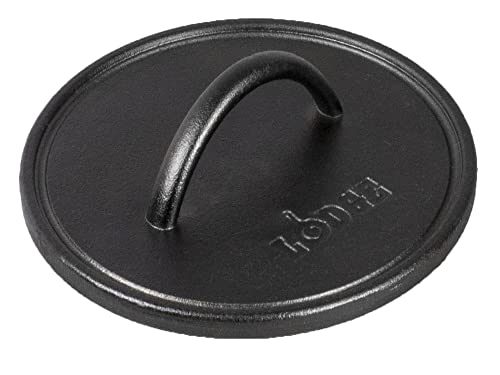
YOUR NEW GO-TO PRESS: The Lodge Cast Iron Grill Press is the perfect kitchen tool for beginners, home cooks and chefs. The sturdy piece is perfect for smash burgers or for grilling steaks or chicken. Put American cast iron to work in your home and keep authentically good food in the family.
Seasoning Frozen Patties for Grilled Burgers
A handful of well‑timed steps can lock flavor into frozen patties before they ever hit the grill. First, sprinkle kosher salt and fresh ground pepper on the exposed side as soon as the patty touches the heat; the salt begins to draw moisture, creating a tacky surface for the rest of the seasoning. After the first flip, when a thin crust forms, dust garlic powder, smoked paprika, or a specialty blend—Montreal steak seasoning, dry BBQ rub, or Cajun—for thick patty seasoning. Use a light hand; you’ll add more after the flip if the juices appear. If you prefer a brief thaw, employ quick thawing techniques—like a 2‑minute room‑temperature sit—so the rub adheres evenly without over‑salting. This method guarantees every bite bursts with balanced, smoky, and savory notes. Placing the patties on the upper warming rack while the grill preheats allows a gentle start, preventing burnt outsides before the interior cooks through. For perfectly cooked burgers, use a digital meat thermometer to monitor the internal temperature and ensure your patties reach the desired doneness without overcooking.

Simple, high-quality ingredients of garlic, smoked paprika, black pepper and onion

This paprika is smoked over oak wood to give it an earthy flavor that pairs well with egg, bean and potato dishes, as well as roasted and grilled meats

Premium Smoked Paprika: Enjoy the rich, smoky flavor of Badia Smoked Paprika, perfect for enhancing your favorite dishes
Searing Time & Crust Development for Grilled Frozen Burgers
How long should you sear a frozen patty before the crust locks in flavor? Begin on medium‑high heat (≈375°F) and let the grill preheat for ten minutes. Place the patty directly over the flame and cover the lid; after three minutes the surface sizzles, forming the base sear. Keep the lid closed for another two minutes, then flip. Continue flipping every three to five minutes, allowing each side to touch the heat long enough for even searing. By the fourth flip, you’ll notice a layered crust buildup as the Maillard reaction deepens. For extra juiciness, try placing an ice cube in the center of your patty before grilling to keep moisture locked in throughout the cooking process. Finish the last minute at 500°F or slide the patty over glowing charcoal chips for an extra boost. This rhythm creates a golden‑brown, crisp crust while keeping the interior juicy. For summertime cookouts you can also serve them with fresh lettuce, tomato, and pickles for a classic topping.
Step‑by‑Step Timeline for Grilled Frozen Burgers (20‑25 min)
Twenty‑five minutes tops, and you’ll have perfectly grilled frozen burgers from start to finish. First, respect the importance of preheating: set a gas grill to medium‑high (350‑375 °F) and close the lid for ten‑to‑fifteen minutes, then oil the grates. If you use charcoal, let the coals heat for five‑to‑ten minutes, arranging them for a two‑zone setup. Place the frozen patties on the cooler side, keeping them frozen until they touch the grates. Close the lid and cook the first side undisturbed for six‑to‑ten minutes, watching juices rise around the four‑minute mark. Flip, season, and continue flipping every three minutes, managing grill temperature by moving patties to the hot side after the first flip. For best results, avoid pressing the burgers during cooking to retain their juiciness and moisture. Finish with a final seven‑to‑ten‑minute cook until the interior reaches 160 °F, then serve. Keep burgers frozen until they touch the grates.
Control Flare‑Ups & Ice Crystals for Juicy Burgers
Now that the grill’s temperature is locked in, the real challenge is keeping flare‑ups and ice crystals from ruining your burgers’ juiciness. First, trim any fat beyond a quarter‑inch and pat the patties dry; excess grease is the main ignite prevention culprit. Place a drip pan under the grill and use a two‑zone setup: sear in the hot zone, then shift burgers to indirect heat while the ice melts. Watch for steam bursts and move them promptly to a cooler rack or warming rack. Keep the grill clean, empty grease traps, and preheat evenly for solid temperature control. If a flare‑up erupts, close the lid, turn off the burner, and use tongs to relocate the patty—never spray water on a gas fire. This disciplined approach preserves juiciness and prevents unwanted flames. Regularly clean the grill to remove debris that can cause flare‑ups, and consider removing and cleaning burners and drip pans to prevent grease fires that can compromise your cooking results.

SUITABLE FOR BLACKSTONE GRILL - The grease cup liners are compatible with Blackstone 36 Inch, 30 Inch, 28 Inch, 22 Inch, 17 Inch Griddle. Almost fits Blackstone 22 inch grill griddles(The liners need to be bend slightly).

COMPATIBLE WITH WEBER Q, SPIRIT & GENESIS GRILLS: Designed to fit a wide range of compatible Weber grill systems, including Q Series, Spirit 200 Series, Spirit II 200 & 300 Series, Genesis 300 Series, Genesis II 200 & 300 Series, Genesis II LX 200 & 300 Series, plus select Weber Traveler, Electric, and Smart Grills. Provides a secure fit for compatible grill drip pans and grease tray systems

DIMENSION: Depth 15 1/2", Adjustable width between 24" and 30". Overall height with catch pan: 2 3/4". MEASURE YOUR CURRENT GRILL DRIP TRAY TO MAKE SURE OURS FIT YOUR GRILL MODEL.
Temperature Check for Grilled Frozen Burgers (160‑165 °F)
Heat your grill to a steady 350‑400 °F, then pop the frozen patties on and let the heat work its magic while you keep a close eye on the thermometer. You’ll want the internal temperature to settle between 160‑165 °F, the USDA’s safe zone for ground beef and turkey. Insert the probe into the thickest part of each patty; this eliminates internal temperature variance that can hide food safety risks. A quick 4‑6‑minute per‑side sear usually hits the target, but thicker patties may need 12‑14 minutes total. Keep the grill’s hot side at 350‑400 °F and avoid flipping too often, so the heat penetrates evenly. Like with steaks, letting the burgers rest after grilling allows residual heat to finish the cooking process for optimal results. Once you hit the proper range, hold the burgers at 140 °F or above until serving to maintain safety and flavor. Using a meat thermometer ensures accurate temperature monitoring for food safety.
Common Mistakes When Grilling Frozen Burgers
Often the biggest pitfall is neglecting the grill’s preparation, which means a poor sear, sticking patties, and an uneven crust. You’ll see that a cold grill forces the meat to cling, while a properly pre‑heated surface creates a caramelized exterior and locks juices. Avoid improper thawing; frozen patties belong straight on a hot grate, not on a lukewarm one that drags out moisture. Resist the urge to flip repeatedly—just one turn after three minutes preserves tenderness and prevents the burger from falling apart. Don’t press the patty with a spatula; squeezing squeezes out fat, yielding a dry, rubbery bite. Finally, skip insufficient seasoning and a bland crust; a generous sprinkle of salt and pepper before the first sizzle guarantees flavor penetrates even the cold interior. For optimal results, aim to preheat your charcoal grill to approximately 375-400°F before placing your frozen burgers on the grate. Use meat that is 80% lean and 20% fat for best flavor and juiciness.
Serving & Holding Grilled Frozen Burgers Without Drying Out
If you let a freshly grilled frozen burger rest briefly before serving, you’ll lock in juiciness while keeping it safely hot. After a 3‑5‑minute rest, tent the patty loosely with foil and place it on a pre‑heated plate. This preserves moisture and maintains a safe holding temperature. For serving options, keep the burgers on a warm tray or insulated container, but avoid stacking them tightly—air circulation prevents steaming and drying. If you need to delay service, hold the burgers in a low oven at 140‑150 °F or a faux Cambro, reinvigorating with a brief burst of steam after reheating to restore moisture after 30 minutes. Monitor the holding temperature and discard any burgers that exceed the two‑hour safety window. Use a digital thermometer to verify the internal temperature before serving.


