
Pick a 2‑pound octopus with firm, purple‑gray flesh and uniform tentacles, then clean it, remove the beak, and freeze it 48‑72 hours. Thaw, pat dry, and give it a quick boil with a splash of vinegar or a short braise until a fork slides in with slight resistance. Marinate the pieces in olive oil, lemon or orange juice, garlic, paprika, and parsley for at least an hour. Preheat the grill to 425‑450 °F, brush the tentacles lightly with oil, and sear 5‑7 minutes per side, flipping once for a caramelized char. Let them rest briefly before serving, and you’ll uncover more tips on sauces, pairings, and troubleshooting as you go.
Pick the Ideal Octopus Size for a BBQ Grill
Choosing the right octopus size for your grill starts with the cooking timeline: small‑to‑medium specimens finish faster and are easier to manage, while larger ones demand up to two hours of boiling before they’re ready for the heat. When you assess octopus selection criteria, prioritize firm, purple‑gray flesh, uniform tentacles, and a fresh ocean scent. Small to medium pieces shrink less, so a 2‑pound bird will comfortably serve four, matching the 1‑pound‑per‑person rule for crowds. Larger specimens are viable only if you extend boiling to 1.5–2 hours, which also deepens the flavor profile. Cut medium octopus into 2‑3‑inch sections for even grill control. Remember, cooking time, not size alone, dictates tenderness and final taste. Maintaining proper internal temperature throughout the cooking process ensures both safety and optimal texture. The recipe’s simple ingredients—olive oil, lemon, garlic, and herbs—ensure the octopus stays perfectly tender without becoming rubbery.

PREMIUM MEDITERRANEAN BRANZINI – WHOLE & FRESH: Harvested from the pristine waters around Greece, this whole branzini offers an authentic Mediterranean seafood experience. Scaled and gutted for convenience, it delivers firm, white flesh with a delicate, mildly sweet flavor.

PREMIUM ALASKAN HALIBUT FILLET: Experience the unmatched quality of HRVST Chef's Market Alaskan Halibut Fillet. Each skin-off fillet weighs between 2 to 3 pounds and is expertly crafted for chefs who appreciate fresh, sustainable seafood. Wild-caught in Alaska, this halibut offers a mild flavor and firm texture, perfect for various culinary applications. Sold in a convenient 20 pound Case, our halibut is a reliable choice for elevating your seafood menu and impressing discerning diners.

WILD-CAUGHT ALASKAN SALMON: Sustainably sourced from the cold, pristine waters of Alaska, these fillets are rich in omega-3s, delivering a bold, natural flavor with a striking red hue. A chef’s choice for superior quality seafood.
Prepare & Tenderize Octopus Before Grilling
After you’ve selected the right‑sized octopus, you’ll want to make it tender before it hits the grill. First, clean the creature thoroughly: remove any gooey bits, sand, eyes, and the hard beak at the tentacle base. Trim the tentacle ends for a neat finish, then separate them from the body. For manual tenderization, pat the tentacles with a meat mallet or a sturdy rolling pin, focusing on the thicker sections to loosen muscle fibers. Next, freeze the octopus for a proper freezing duration—typically 48–72 hours—to let ice crystals rupture cell walls and break down collagen. Thaw it in the refrigerator overnight, then pat dry, brush lightly with olive oil, and you’re ready for the grill. Adding a splash of vinegar to the boiling water can enhance tenderness and mask any strong scent. To protect your grill grates during cooking, ensure they’re clean and well-maintained by regularly cleaning and oiling the grates to prevent rust buildup that could affect your meal.
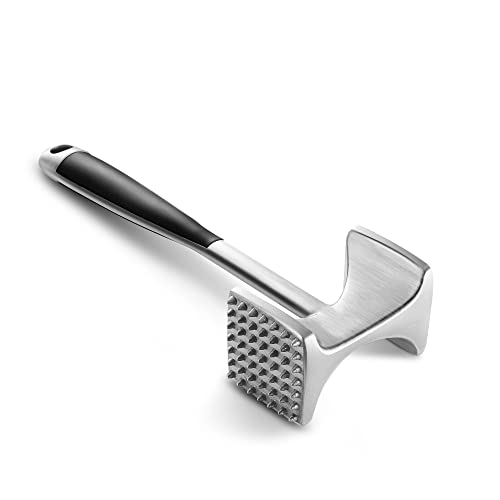
Ergonomic Design: We are always looking for a meat tenderizer with a comfortable handle that fits perfectly in your hand. This meat hammer from Kitexpert fits that bill which allows the mallet and gravity to do all the work in less time. Enjoy your cooking time!

【More Than A Meat Mallet Tenderizer】Perfect to infuse the meat with flavor, spices, and dry rub marinades. Crush ice for cocktails, loosening frozen vegetables, crack crab, and crush garlic, Great for baking: shell nuts, and crush hard candy-like toffee or peppermint.

Double-sided design for 2 tools in 1: Textured side breaks down tough muscle fibers for tender steaks, chops, and cutlets; smooth flat side pounds chicken breasts to even thickness for faster, more uniform cooking without tearing meat
Boil or Braise Octopus to Perfect Tenderness
A good 30‑minute simmer or a gentle 1‑hour braise will turn a tough octopus into melt‑in‑your‑mouth meat. Submerge the creature in salted water with bay leaves, coriander seeds, and garlic, then bring to a boil. Dip the tentacles briefly before full submersion to curl them, and simmer with the lid on for 30‑45 minutes. Test with a fork; slight resistance means it’s tender. For braising, sauté onion, garlic, and smoked paprika, then add white wine or seasoned water as the braising liquid. Reduce heat, cover, and cook for an hour, flipping halfway. Cool in the liquid for post‑boil tenderization, then reserve the stock for sauces. Use braising liquid applications to enhance flavor before grilling. When ready to serve, you can reheat any leftover octopus using low to medium heat on the stovetop to maintain its tender texture. Add the octopus to a pan with 2 tablespoons of oil and season with salt and pepper before cooking.
Season Octopus for the Grill With Olive Oil & Citrus
If you want the octopus to stay juicy and bright on the grill, whisk together ¼ cup olive oil, the juice of one to two lemons (or a mix of lemon and orange), two minced garlic cloves, a pinch of smoked paprika, and a handful of chopped parsley until the mixture emulsifies. Add a pinch of salt, cracked black pepper, and optional oregano for depth. This basic sauce forms the core of your flavor profile variations; swapping lemon for orange or adding zest shifts the taste. Use this marinade preparation approach to coat tender octopus pieces evenly, then let them sit 30 minutes to an hour at room temperature or refrigerate overnight for intensified flavor. Before grilling, drizzle a little extra oil and a squeeze of fresh lemon to finish. The octopus should be marinated for at least one hour to absorb the citrus and paprika notes. For best results, monitor your octopus using a probe thermometer to ensure even cooking throughout the meat.
Step‑by‑Step Guide to Grilled Octopus Legs
While the octopus has cooled, cut the cooked tentacles into 1‑2‑inch bias pieces, pat them dry, and brush each segment with a thin layer of olive oil so they’re ready for the high‑heat grill. Preheat the grill to 425‑450°F, then arrange the legs directly over the coals. Grill 5‑7 minutes per side, basting continuously, until you see a flame‑seared appearance and the edges crisp. Flip once, maintaining the same timing, to develop a uniform char. The high heat creates a texture contrast: a caramelized exterior meets a tender, succulent interior. Remove the legs, let them rest briefly, and serve immediately for ideal flavor and mouthfeel. Ensure the octopus is thoroughly defrosted before patting dry. To maintain the quality of your grilled octopus, keep any leftovers properly refrigerated in an airtight container for the best results.
Get a Crispy, Charred Exterior Without Overcooking
Because the octopus is already tender from the gentle simmer, you can focus on creating a crisp, charred crust without risking an overcooked interior. Pat each tentacle dry, then air‑dry on paper towels in the fridge for two to three hours; this removes surface moisture and prevents steaming. Preheat the grill to 400‑450 °F, oil the grate lightly, and place the octopus directly over the coals. Apply a thin coat of olive oil and season, then sear each side for two to three minutes. The intense searing locks in moisture retention while forming a deep char. For optimal grate performance, allow the high-temperature oil to burn until it begins to smoke before placing the octopus on the grill. Flip once, baste quickly if desired, and remove when the crust is golden‑brown and the interior stays tender. Proper marination ensures the octopus absorbs the flavors before grilling.
Serve Grilled Octopus With Pairings, Sauces & Presentation Tips
Now that the octopus is perfectly charred and still tender, focus on pairing it with bright, Mediterranean‑style accompaniments and sauces that enhance its flavor and texture. Slice the tentacles into 1/2‑inch pieces, arrange them on a platter, and drizzle a lemon‑oregano‑olive‑oil mixture or a splash of capers, lemon juice, and sea salt. Add caramelized onions, crispy pancetta, and a Mediterranean tossed salad with feta and kalamata olives. Serve with tzatziki, fennel‑orange salad, or roasted vegetables. Keep the octopus at a warm serving temperature for cold serving temperature wedges wedges skew, olive wedges olive pita, and olive bread for soaking. Use octopus marinade tips to balance acidity and herbaceousness, and garnish with green onions for visual punch. For best results, check the internal temperature to ensure the octopus is cooked through before serving. Boil the octopus for 50‑90 minutes until very tender before grilling.
Troubleshoot Common Grilling Problems and Fixes
If your octopus ends up tough, charred unevenly, or sticking to the grill, the solution lies in proper pre‑cooking, drying, and high‑heat searing. Use tenderizing options like simmering 1‑2 hours or pressure‑cooking 10 minutes, then cool in the cooking liquid before cutting. Pat the flesh dry, then half‑oil with olive oil and salt; lightly oil the grates to prevent sticking. Apply the brush grilling technique: coat the tentacles once, not before, and grill at 450°F+ for 2‑3 minutes per side. Remove gelatinous skin after poaching, or air‑dry for 24 hours if you keep it, to reduce moisture. Keep pieces single‑layered, avoid overcrowding, and monitor closely to stop after a quick sear—your octopus stays tender, evenly charred, and non‑sticky. Air‑drying the octopus in the fridge for 24 hours helps counteract the wet, gelatinous skin. Consider preparing a flavorful butter sauce with garlic, lemon, and parsley to brush on your octopus during the final moments of grilling for enhanced flavor.