
Season your 2‑inch filet mignon, let it sit 30‑40 minutes at room temperature, then set up a two‑zone grill: get the direct side to 450‑500°F and the indirect side to 275°F. Sear each side 2‑3 minutes without moving, then shift the steak to the indirect zone and cook until the internal temperature hits 120‑125°F. Pull it and, let it rest 10 minutes, and the carry‑over will bring it to a perfect medium‑rare 130‑135°F. Continue for deeper tips on timing and temperature control.
Quick Answer: Grill 2‑Inch Filet Mignon Medium‑Rare
If you’re after a perfect medium‑rare 2‑inch filet mignon, start by searing it over the grill’s high‑heat zone for 2‑3 minutes per side, then move it to the indirect low‑heat side for another 6‑8 minutes, keeping the lid closed. This proper grilling technique creates a caramelized crust while the interior cooks evenly. Use a digital probe to pull the steak at 125 °F; carryover will lift it into the ideal serving temperature of 130‑135 °F. Resist the urge to cut—let it rest ten minutes so juices redistribute. The indirect phase prevents over‑char, preserving tenderness. Trust the timing, monitor the thermometer, and you’ll achieve a textbook medium‑rare filet every time. Choose a steak that is 1.5‑2 inches thick for optimal results.
Prepare the Steaks: Salt, Season & Bring to Room Temp for Grilling
After searing the steak, let it rest on the counter for 30‑40 minutes while you bring it to room temperature. During this interval, apply the Ideal salting technique: sprinkle kosher salt generously on every side, then pat the surface dry with paper towels. The salt draws moisture, then the drying step prevents steaming, ensuring a crisp crust. Next, season with freshly cracked black pepper, using a liberal but even layer. Keep the steaks on the counter for Exact room temperature timing—about 30‑40 minutes total—so the interior warms uniformly without over‑cooking the exterior. This controlled acclimation yields even heat penetration, a reliable sear, and a consistent medium‑rare finish when you finally move the filets to the grill. Basting butter can be added during the final minutes of grilling to enhance flavor and moisture.
Create a Two‑Zone Grill: Direct Sear + Indirect Finish
One‑to‑three inches of charcoal or the burners on one side of the grill creates a sear zone, while the opposite side stays cool for indirect cooking. Bank the hot coals or turn on the burners only on that side, leave the other side off, and place a water pan or foil tray opposite the bank to lock in moisture and catch drippings. Open the bottom vents fully to maximize airflow, then close the lid to turn the indirect side into an oven‑like chamber. Position the filet on the cool side first, allowing the radiant heat from the hot zone to cook it gently while you monitor temperature gradient across the grill surface. When the internal temperature nears your target, slide the steak to the sear zone for a brief, high‑heat finish, managing radiant heat to avoid flare‑ups and guarantee an even crust. Use a reliable meat thermometer to track your filet’s progress toward the target temperature throughout the cooking process. This setup provides a stable temperature on the indirect side, ensuring even cooking without frequent temperature adjustments.
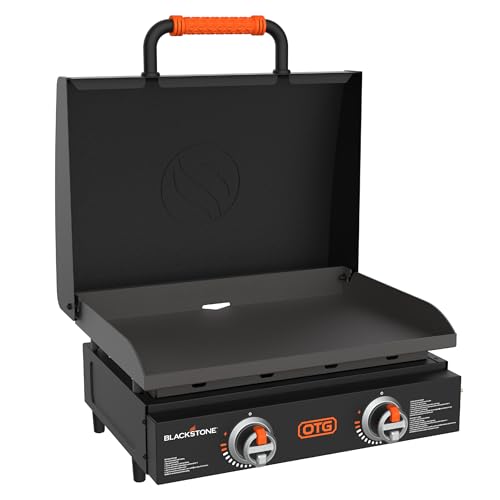
22-Inch Tabletop Griddle: The 22" Omnivore griddle plate delivers fast preheat, even heat distribution, and improved fuel efficiency.


Celebrate charcoal grill, charcoal grilling, live fire cooking, charcoal griller, backyard grilling, two-zone crew, fire management, vents open, direct indirect, chimney loaded, coals ready, and heat control culture.
Master the Direct Sear: 2‑3 Min per Side for a Perfect Crust
When the grill hits 450‑500°F, place the 2‑inch filet on the hot zone and let it sear undisturbed for 2‑3 minutes; then close the lid to lock in heat. The ideal searing conditions demand a thin oil film, no movement, and a single flip after a quarter‑turn rotation to create crosshatch marks. Follow precise timing guidelines: 2‑3 minutes per side, then flip and repeat. Keep a probe thermometer ready; the steak should be about 10°F below target before searing, aiming for a medium‑rare finish of 125‑135°F after carryover. Avoid smoke‑inducing excess oil, and resist the urge to press the meat. This disciplined approach yields a caramelized crust and retains juices. Letting the steak rest at room temperature for 20‑30 minutes before grilling helps achieve an even cook. After grilling, allow the meat to rest again for a few minutes to redistribute juices throughout the steak before slicing.

ORGANIC, GRASS-FED, REGENERATIVE: Our ground beef is USDA Organic, 100% grass-fed & finished, supports regenerative farms, verified by Land to Market,100% pasture-raised, free range, humanely raised, with no feedlots EVER. Non-GMO and never contains antibiotics or added growth hormones. Always fresh, never frozen.

6 oz Filets (Individually Sealed).

USDA inspected to assure the safest and finest quality beef available
Finish on Indirect Heat: Total Cook Time for Medium‑Rare
Now that the crust is locked in, slide the 2‑inch filet to the cooler side of the grill and close the lid. You set the indirect heat temperature to a steady 275 °F and begin the indirect cooking duration. For a medium‑rare finish, aim for 4‑6 minutes on the cool side, watching the internal reading approach 120‑125 °F. Because the steak is two inches thick, the lower zone supplies gentle heat that carries the core toward target without overcooking the exterior. Trust the thermometer; time is a guideline, not a rule. After the timer expires, remove the filet, tent it, and let it rest ten minutes while carryover cooking adds the final 5‑7 °F, delivering perfect medium‑rare perfection. Insert thermometer horizontally into the thickest part for the most accurate reading.
Check the Temp: Aim for 120‑130 °F Before Rest
You’ll want to pull the 2‑inch filet when the probe reads between 120 °F and 130 °F, because the residual heat will carry it into the 130‑134 °F range that defines perfect medium‑rare. Insert the digital thermometer into the thickest part of the steak, avoiding bone or fat, and confirm the reading with temperature monitoring at multiple points. Aim for a pull temperature of 125 °F to allow a 5‑degree carryover during the five‑minute rest. Keep the probe steady, check the reading just before you flip, and remove the steak when it hits the 120‑130 °F window. Letting the steak rest after grilling allows the residual heat to finish the cooking process for a juicy result. This precise thermometer placement and vigilant temperature monitoring guarantee a bright red center, pink edges, and a uniformly warm interior. For a 2‑inch thick filet, the rare steak temperature range of 120‑130 °F yields the most tender and juicy result.
Rest Time & Carryover: How Long to Rest for Perfect Doneness?
After pulling the 2‑inch filet at 120‑130 °F, let it rest for 6‑10 minutes to let carryover heat bring the interior up to the perfect 130‑134 °F medium‑rare range. The ideal resting duration for a 2‑inch steak is 6‑10 minutes because its mass and thickness generate a notable temperature impact. During this interval, internal heat rises roughly 5‑10 °F, stabilizing at the target doneness while muscle fibers relax and juices redistribute. Tent the meat loosely with foil on a warm board to preserve heat without steaming. Avoid extending past 10 minutes; the temperature impact plateaus and the steak begins to cool, risking a dry slice. Carryover cooking can increase the internal temperature by up to 28 °F for steaks this thick. For best results, use a meat thermometer to monitor the exact internal temperature and ensure you pull the steak at the optimal moment for your preferred doneness. Follow these precise guidelines for consistent, juicy results.
Adjust Times for Rare‑to‑Well‑Done Levels
Adjusting the grill times for rare‑to‑well‑done levels hinges on three variables: the initial sear, the low‑heat phase, and the pull‑temperature before carryover. For rare, sear 2‑3 minutes per side, then low‑heat 4‑6 minutes, pulling at 115 °F; medium‑rare adds a minute per side, pulling at 125 °F; medium adds another minute, pulling at 135 °F. Medium‑well follows the same pattern, pulling at 145 °F, while well‑done requires a longer low‑heat stretch and a pull 5‑7 °F below 160‑170 °F. Use temperature monitoring to hit each target precisely, and practice moisture management by avoiding excessive flipping and letting the steak rest briefly before the final pull. This systematic timing yields consistent doneness across the spectrum. Olive oil helps create a crisp sear while keeping the steak juicy. Like smoking poultry, using a meat thermometer is essential to ensure accurate internal temperatures and proper doneness.
Troubleshoot Steak Issues: Sticking, Over‑cooking & Crust Problems
Mastering the grill’s timing is only half the battle; the real challenge lies in preventing sticking, avoiding over‑cooking, and achieving a flawless crust on a 2‑inch filet mignon. First, guarantee grilling surface cleanliness: brush the grates, preheat 10‑15 minutes, then wipe them with a cloth soaked in smoke point oils. Pat the steak dry and brush it lightly with oil or butter; never spray oil on hot grates. Use a meat thermometer, pull the steak 5 °F below target, and finish on indirect heat to stop over‑cooking. For crust, sear 2‑3 minutes per side at 450‑500 °F, rotate ¼ turn for hatch marks, or reverse‑sear after a low‑heat finish. Marinating your filet mignon for 4 to 24 hours in a flavorful mixture will further enhance tenderness and flavor development. Rest tented for 5‑10 minutes. USDA Prime beef is the top 2‑3% of all beef in the country.

Graza Frizzle Oil Made from 100% Olives: A neutral-flavored, high heat cooking oil made from 100% peak harvest olives. With a smoke point of up to 450 degrees, Frizzle is your high-heat kitchen hero. 1 bottle/750ml.

Graza Frizzle Oil Spray Made from 100% Olives: A neutral-flavored, high heat cooking oil made from 100% peak harvest olives. With a smoke point of up to 450 degrees, Frizzle is your high-heat kitchen hero. 1 can/5 oz.

Light Buttery Flavor That Elevates Every Meal: Algae Cooking Club Chef-Grade Algae Oil enhances every dish with subtle richness. Its neutral profile makes it ideal for searing, baking, and dressings, transforming everyday meals into gourmet experiences.