Smoke a russet at 225 °F for about 2 hours; larger ones need 3‑3.5 hours, and foil‑wrapped spuds can stretch to 4 hours. Keep the smoker steady, pierce the potatoes, and brush them with oil for crisp skin. They’re done when the interior hits 205‑210 °F, giving fluffy, tender flesh. If you want a quicker finish, bump the temperature up later, and you’ll uncover more tricks for perfect results.
How Long Does Smoking a Baked Potato at 225°F Take?
How long does smoking a baked potato at 225 °F take? You’ll need 2‑4 hours, depending on size and how you manage moisture. Medium russets reach fork‑tenderness in about 2 hours, while full‑size bakers need 3‑3.5 hours. Larger potatoes wrapped in foil can stretch to 4 hours, as the foil traps steam and boosts moisture retention. Keep smoker temperature consistency at 225 °F; fluctuations add minutes and risk uneven cooking. Probe the largest tuber for an internal 205‑210 °F reading, or simply insert a fork—if it slides in easily, the potato’s done. Use olive‑oil rubs and hole‑poking to aid moisture retention without foil, then place the spuds directly on the grate for ideal smoke penetration. For extra crispness and smoky flavor, remove the foil during the final stages and briefly expose the potatoes to direct heat. Rub the potatoes with olive oil and salt before smoking to enhance flavor and prevent drying.
How Much Faster Does a 375°F Smoker Finish a Smoked Baked Potato?
A 375 °F smoker slashes the cooking time for a baked potato to roughly one hour—about half the duration you’d need at 225 °F. At this roasting‑style heat the tuber reaches an internal 205 °F in 60 minutes, and carryover pushes it to 210‑212 °F before you pull it. Compared to the 2‑hour baseline at 225 °F, you shave off roughly 50 % of overall cooking time, eliminating the 4‑6‑hour low‑temp marathon. The key is maintaining a consistent smoker temperature; a steady 375 °F keeps the heat penetrating uniformly, so you can monitor the probe and fork‑tender test with confidence. Just as with smoking brisket, wood chunks like mesquite or oak can be added to enhance the smoke flavor during the cooking process. This faster method still delivers fluffy, moist flesh and a crispy skin while preserving the classic smoke flavor. Use a two‑zone setup to ensure the potatoes receive even heat and smoke.
Two‑Stage Smoking: How It Works and Why It Saves Time
The 375 °F smoker cuts the bake time in half, but you can still keep the deep smoke flavor while shaving off even more minutes by using a two‑stage approach. First you smoke the potatoes at 225‑250 °F for 2‑3 hours until a fork slides in easily. This low‑and‑slow window builds smoke flavor intensity without drying the flesh. After cooling briefly, you can refrigerate the smoked potatoes in sealed containers for days—refrigeration duration can extend to a week without losing taste. When you’re ready, stuff the potatoes and finish them at 325‑350 °F for 15‑30 minutes, melting cheese quickly. This high‑heat finish cuts the overall cooking time by 30‑45 minutes compared with a single‑stage, low‑temperature bake. For optimal results, allow the smoked potatoes to rest briefly after smoking to let internal moisture redistribute evenly. Using russet potatoes ensures a fluffy interior that holds the smoky flavor well.

Includes 64 (1.125 oz) bags of Baked Lay's Potato Chips, Barbecue flavor

Smoked Perfection in Half the Time - Enjoy juicy, flavorful BBQ in hours, not all day, with our revolutionary vertical speed cooking design.

What Internal Temperature Guarantees a Perfectly Tender Smoked Baked Potato?
A potato that hits an internal temperature of 205‑210 °F is reliably tender; the Idaho Potato Commission even cites 210 °F as the ideal target for fully baked Russet Burbank tubers. Research shows that starch gelatinization—the key to a fluffy interior—occurs precisely within this range, so you must maintain the center temperature long enough for full conversion. The suitable smoking duration at a smoker set to 225 °F is about two hours, though larger tubers may need extra time. Lower smoker settings (≈180 °F) extend the process, but the internal target remains unchanged. Exceeding 210 °F risks mushiness, while dropping below 205 °F leaves un‑gelatinized starch and a hard texture. Monitoring guarantees the effects of temperature on starch gelatinization are fully realized, delivering consistently tender potatoes. Using a food thermometer is the most accurate way to measure the internal temperature. Between smoking sessions, protective grill covers help maintain consistent smoker performance by shielding your equipment from the elements.
How Can You Confirm Doneness Without a Thermometer?
Reaching the 205‑210 °F sweet range guarantees tenderness, but you can verify that result without a thermometer by relying on tactile and visual cues. Start by checking visual cues: the skin should be dry and crisp, the surface uniformly matte, and the aroma of baked potato should rise as steam escapes the vent. Light, fluffy flesh visible through a slight split signals readiness. Next, use tactile indicators. Gently squeeze the potato in a mitt; it should yield completely without firmness, and a fork or thin blade should pierce the center with little resistance, emerging dry. Probe several spots on larger potatoes to confirm even doneness. Different wood flavors like apple, oak, or mesquite can complement your smoked potatoes while you’re checking for these doneness indicators. When the outer texture feels firm yet the interior is soft, you’ve reached perfect smoke‑baked tenderness. Insert the thermometer into the thickest part of the potato to verify the internal temperature is within the target range.
How Should I Prep Potatoes for Optimal Smoke Penetration?
Want maximum smoke flavor? First, apply a thorough wash technique: scrub each potato under warm water until no dirt remains, then pat dry. A clean surface prevents a gritty taste and lets oil and seasoning adhere evenly. Next, execute a piercing strategy—stab the potato all around with a fork, creating several holes on every side. These openings release steam, stop explosions, and let smoke penetrate the flesh. After piercing, brush the skins with olive oil, then roll the potatoes in your chosen seasoning blend. Avoid foil; place the oiled, seasoned potatoes directly on the smoker grates. This direct exposure maximizes smoke absorption while yielding a crisp, flavorful skin. Using Hickory pellets adds a robust, authentic smoky flavor that enhances the overall taste. Different wood types impart distinct flavor characteristics, so choosing the right wood based on your preferences will further elevate your smoked potato experience.
Which Wood Gives the Best Flavor for Smoked Baked Potatoes Without Changing Cook Time?
Which wood delivers the richest flavor for smoked baked potatoes while keeping the 1‑2‑hour, 225‑250 °F window intact? Mesquite gives the strongest smoke intensity, delivering bold, Texas‑BBQ notes without extending the cook. It creates a robust flavor balance that pairs perfectly with buttery skins and fluffy interiors. If you prefer milder sweetness, maple maintains the same timing and adds subtle aromatic notes that enhance the potato’s natural richness. Hickory offers a bacon‑like depth, preserving the 1.5‑2‑hour window while delivering a savory balance that complements russet textures. Oak provides a neutral, steady smoke intensity, ensuring consistent flavor balance without overwhelming the potato. Combining different wood varieties allows you to customize the burn characteristics and achieve a more complex smoky flavor profile. Choose the wood that matches your desired profile, knowing none will alter the standard cooking time. The potatoes should be coated with oil before smoking to promote even browning and flavor absorption.

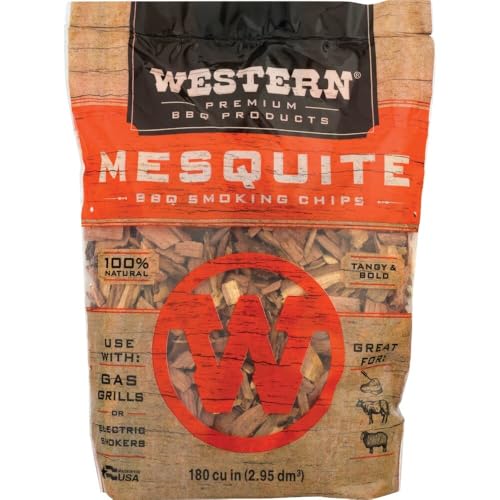
Mesquite BBQ Smoking Chips for a charcoal, gas, or electric grill. See description for cooking instructions.

MATERIALS: Made from 100% natural seasoned hardwood with no unwanted byproducts, our wood chips burn cleanly and evenly.
Should You Wrap Potatoes in Foil Before or After Smoking?
Ever wondered whether to foil‑wrap your potatoes before or after they hit the smoker? Evidence shows that wrapping before smoking traps heat but cuts smoke intensity impact, yielding softer skin and a paste‑like texture. If you crave crisp, bark‑like skin, keep them unwrapped for the initial 180‑225 °F phase; the bare surface maximizes smoke flavor penetration and speeds cooking by 15‑20 minutes. After the first 1.5 hours, you can wrap each potato in oil‑sprayed foil and raise the temperature to 400 °F for skin texture optimization—softening the skin while preserving internal tenderness. For cubed potatoes, pre‑wrap for easy handling, but season whole tubers first and leave the foil partially open to let smoke reach the flesh. This balanced approach controls smoke intensity impact and achieves the desired skin texture. To maintain your smoker’s performance and keep grates clean for optimal heat distribution, incorporate routine light cleaning after each grilling session. Adding affordable ingredients enhances the flavor without increasing cost.

500 Foil Sheets: Made in the USA, this package contains 500 Reynolds Foodservice Pre-Cut Pop-Up Aluminum Foil Sheets, measuring 12 inches x 10.75 inches each

Premium Insulated Design – Keep food warm and fresh with our insulated foil sandwich wrap sheets. These foil wraps for food act as aluminum foil insulation covers for food, locking in heat while resisting grease and moisture. Perfect for burrito wrapping paper, hamburger foil wrappers, and even hot dog foil.

SPECIFICATIONS: Our single sheets aluminum foil measuring 9" x 10.75" or 12" x 10.75" come in a pop-up dispenser. With 200 or 500 individual precut aluminum sheets per box, these foil squares come in handy for cooking or storing food.
How to Troubleshoot Common Smoking Problems Like Dry Skin or Uneven Cooking?
Scrutinize the potatoes early and you’ll spot the two most common smoking issues—dry skin and uneven cooking—before they ruin the batch. Dry skin stems from insufficient oil, high heat, or trapped water. Brush each tuber generously with olive oil or bacon fat, pat them dry, and sprinkle coarse salt to boost oil adhesion and moisture retention. Keep the smoker at 225 °F for the first two hours, then rotate them halfway to avoid hot spots. Uneven cooking arises from size variance, temperature fluctuations, or poor placement. Choose uniform potatoes, pierce them 6–15 times, and monitor temperature with a probe thermometer, aiming for 203 °F internal. Position potatoes close to the heat source and avoid overcrowding to guarantee consistent heat circulation. Pellet grills offer precise temperature control and reduced flare-up risks, making them ideal for achieving perfectly cooked potatoes without hot spots. Use a pellet grill for even heat distribution and a reliable smoke flavor.
What Are the Best Tips for Serving Smoked Baked Potatoes Hot and Fluffy?
A hot, fluffy smoked baked potato starts with proper heat retention: keep the potatoes in a 180‑200 °F oven or toaster oven immediately after smoking, then slice them vertically while they’re still steaming hot. Transfer the potatoes to a pre‑heated 500 °F oven for ten minutes if you restuff them; this boosts Texture preservation without sacrificing moisture management. Pierce each russet before smoking, then run a fork horizontally across the flesh after a brief cool‑down to fluff the interior. Slice open, add butter, sour cream, and bacon bits, and gently mix toppings before the final broil. Serve directly from the grill or oven, keeping foil loose to avoid excess steam, and verify doneness with a fork test at 205‑210 °F. Russet potatoes are the preferred choice because they hold up well to the heat and crisp slightly. Like grilled corn, smoking relies on steaming and roasting effects to develop both tender interiors and flavorful exteriors through the natural cooking method.