You shouldn’t feed smoked turkey to your dog. It’s loaded with sodium, nitrates, and additives that dogs process poorly, leading to dehydration, hypertension, and kidney strain. The high fat and butter‑based oils raise pancreatitis risk, while onion, garlic, and other seasonings can cause anemia and methemoglobinemia. Even small portions can trigger vomiting, diarrhea, or blood‑tinged stool, and bone splinters pose a puncture hazard. Continuing will reveal safer low‑sodium turkey alternatives.
Is Smoked Turkey Safe for Dogs?
Smoked turkey isn’t safe for dogs because the smoking process adds preservatives, high sodium, and other additives that can cause gastrointestinal upset and long‑term health issues. You’ll find that the fat content of smoked turkey is higher than plain cooked turkey, especially when skin remains, increasing pancreatitis risk. Nitrates used in curing contribute to health effects of nitrates, potentially leading to methemoglobinemia and oxidative stress. Veterinary consensus advises complete avoidance; processed meats introduce unknown additives that exceed canine dietary tolerances. Even small portions can trigger vomiting, diarrhea, or hypertension over time. Similar to concerns with other high-fat human foods, high fat content in processed meats may contribute to obesity and digestive issues in dogs. If you consider any turkey for your dog, stick to unseasoned, fully cooked white meat, trim all skin and fat, and keep treats under ten percent of daily calories. Turkey skin is high in fat and can cause pancreatitis.
How Sodium in Smoked Turkey Affects Dogs
Because dogs process sodium far less efficiently than humans, even modest amounts of smoked turkey can push their intake beyond safe limits. Research shows that canine sodium concentration levels tolerated are roughly one‑quarter of human thresholds; exceeding this triggers fluid retention, hypertension, and renal strain. Sodium processing differences stem from a less robust renin‑angiotensin system and lower urinary excretion capacity in dogs, so excess salt accumulates quickly. A 20‑lb dog consuming 30 g of smoked turkey may ingest 300 mg sodium, surpassing the recommended 200 mg daily allowance. Clinical observations link such spikes to increased thirst, edema, and, in severe cases, cardiac arrhythmias. Monitor portion size, calculate sodium content, and prioritize low‑salt protein sources to keep your dog’s intake within safe limits. Additionally, the high protein content of smoked turkey can help maintain muscle mass while still requiring careful sodium monitoring. Just as cooked chicken should be safely stored in the refrigerator for no more than three to four days, any smoked turkey leftovers intended for your dog should also follow proper storage guidelines to prevent foodborne illness.
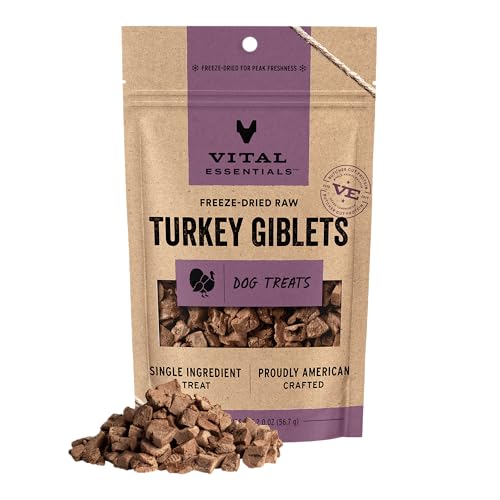
FREEZE-DRIED RAW TURKEY DOG TREAT: Vital Essentials Freeze Dried Dog Treats pack more protein than industry standard into every bite to deliver the peak vitality your dog deserves. Our natural freeze-dried raw dog treats are made from responsibly sourced, premium butcher cut turkey.

TURKEY IS THE SINGLE ANIMAL PROTEIN SOURCE providing essential protein and amino acids to help maintain strong muscles; Peas are included as a grain-free source of fiber to help support digestive health; Contains (1) 5.3-Ounce Canister

Special treats for special dogs: Low Protein, Low Phosphorus, Low Sodium
Preservative Risks in Smoked Turkey for Dogs
Excess sodium isn’t the only concern; the preservatives used in smoked turkey pose significant risks for dogs. Nitrates and nitrites, common in smoked meat processing dangers, accumulate in canine tissues, leading to nitrate accumulation effects such as methemoglobinemia and gastrointestinal irritation. Studies show that commercial smoked turkey contains higher additive concentrations than fresh meat, exceeding dogs’ metabolic capacity. These preservatives disrupt normal gut flora, provoke vomiting, and can damage liver and kidney function over time. Because dogs lack efficient nitrate‑reducing pathways, even occasional exposure may cause cumulative toxicity. Proper storage in airtight containers can help maintain the freshness of any meat products, though this does not eliminate the preservative risks inherent to smoked turkey for canine consumption. Veterinary guidelines as a result advise complete avoidance of preserved smoked turkey to protect your pet’s health and prevent long‑term organ compromise. Pancreatitis risk can also arise from the high fat content often present in smoked turkey.

Real Turkey Tendon: USA-Sourced Turkey Tendons give these turkey tendons for dogs a firm, satisfying texture and rich turkey taste, making each reward substantial and distinctly meaty.

Real Turkey, First Ingredient: Slow-simmered with real turkey, chicken, cranberries, quinoa, and sweet potatoes for a smooth, spoonable texture.

SCIENCE-BACKED NUTRITION: Fresh dog food and dog food toppers developed by veterinary nutritionists to support health and vitality. Healthy dog food and science backed diet informed by over a decade of research, ensuring premium dog food quality and trusted fresh food for dogs.
Toxic Seasonings in Smoked Turkey for Dogs
One of the most concerning aspects of smoked turkey for dogs is the blend of seasonings that can be toxic even in small amounts. Onion powder causes red blood cell damage, leading to anemia, lethargy, and pale gums; these onion powder symptoms appear after cumulative exposure. Garlic powder induces gastrointestinal upset and, in larger doses, progresses to organ failure and breathing difficulty—this garlic toxicity can be fatal. High sodium content drives excessive thirst, urination, and may precipitate hypertension and kidney injury. Bay leaf and Spanish thyme introduce irritant compounds that provoke vomiting, diarrhea, and potential liver damage. Paprika and other spices irritate mucous membranes, while butter‑based oils increase pancreatitis risk. Together, these seasonings exceed safe canine dietary limits. High salt levels can increase thirst and urination. When transporting smoked turkey or any pet food items, ensure they are stored in well-ventilated containers to prevent spoilage and maintain food safety.
Common GI Symptoms in Dogs After Eating Smoked Turkey
When your dog eats smoked turkey, the high fat and sodium content, along with irritating seasonings, often trigger immediate gastrointestinal upset. You’ll likely see vomiting as the first response; the fatty meat and spice‑induced stomach lining irritation provoke rapid expulsion, and repeated episodes raise dehydration risk. Diarrhea follows, driven by excess sodium and spice, while fatty components aggravate loose stools and can signal early pancreatitis. Abdominal pain emerges from digestive irritation and possible bone fragment trauma, manifesting as cramps and discomfort. Lethargy and reduced appetite accompany the distress, reflecting systemic inflammation and sodium overload. Increased thirst and panting indicate the body’s effort to counteract sodium‑induced fluid imbalance, further highlighting the need for prompt hydration and proper refrigeration to prevent bacterial growth if any smoked turkey is stored for later. Sodium sensitivity can also cause excessive panting as the dog attempts to regulate its internal temperature.
Low‑Sodium Turkey Alternatives Safe for Dogs
What low‑sodium turkey alternatives can you safely offer your dog? Plain cooked white turkey, stripped of skin and fat, provides lean protein, riboflavin, phosphorus, and taurine without added salt. Prepare it by boiling or baking at 165 °F, then shred for easy chewing. For variety, combine turkey with low‑sodium vegetables such as green beans, carrots, or plain pumpkin, all of which add fiber and micronutrients while keeping sodium minimal. Avoid raw turkey preparation because of salmonella risk; instead, focus on homemade turkey treats made from cooked turkey mixed with a small amount of mashed sweet potato or pumpkin. Using a meat thermometer ensures the turkey reaches the safe internal temperature for your dog’s health and safety. Remove all bones and seasonings, and serve in moderation to prevent obesity or digestive upset. Plain turkey is safer than dark meat because it contains less fat.

Made with Turkey as the main, #1 ingredient.

REAL TURKEY IS THE #1 INGREDIENT — These soft dog treats are made with real turkey first, delivering protein-packed flavor dogs go crazy for. Grain-free, no corn, no soy, and zero artificial flavors — just honest, healthy turkey dog treats.

Made with USA-Sourced Turkey: These natural turkey strips are made from premium, U.S.A.-sourced turkey and slow roasted for the rich, natural flavor dogs love.
When to Call the Vet About Smoked Turkey for Dogs
If your dog shows vomiting, diarrhea, or blood‑tinged stool after eating smoked turkey, you should contact a veterinarian promptly, as these signs can indicate gastrointestinal injury, dehydration, or internal bleeding that require professional assessment. You also need urgent care if you observe persistent panting, coughing, drooling, or difficulty breathing, which suggest sodium overload or airway obstruction from bone splinters. Lethargy, tremors, seizures, or loss of appetite signal systemic toxicity or pancreatitis, and any abdominal pain or fever warrants immediate evaluation for pancreatitis prevention. Monitor for pale gums, excessive thirst, or bloody urine—these reflect dehydration or cardiovascular strain. Finally, any signs of allergic skin reactions or oxidative damage concerns should trigger a veterinary call without delay. Bone splinter hazards can also cause internal puncture injuries. Keep a fire extinguisher readily available in your outdoor cooking area to respond quickly to any grilling emergencies that might occur near your pet.