Pat the ribs dry, rub with olive oil, then coat with a brown‑sugar, smoked‑paprika dry rub (add cinnamon or chipotle if you like). Set up a two‑zone grill at 300‑350°F, keep the ribs on the indirect side until they hit 110°F internally, then sear each side for two minutes over direct heat at 400‑450°F. Mop with a warm ketchup‑vinegar sauce, baste with a marmalade‑chili glaze, and finish when the internal temperature reaches 145°F. Keep them tented while they rest for maximum flavor.
Grilling Country‑Style Ribs: Quick Overview & What You’ll Need
Since country‑style ribs come from pork loin or shoulder rather than true ribs, they’re meaty, boneless, and cook much faster—perfect for a quick weeknight grill. You’ll need a grill set up for a two‑zone fire, a reliable thermometer, and a shallow pan for wood chunks. Pat the ribs dry, then brush with olive oil and apply your dry rub; this is your marinade preparation step. Let the meat sit at room temperature for 30 minutes to guarantee even cooking. Heat the grill to 300‑350°F, place the ribs on the indirect side until they reach 110‑125°F, then sear directly for 3‑5 minutes per side. After the final sear, tent the ribs with foil and use the resting technique for 5‑10 minutes before serving. For optimal results, plan for a total cook time of 30-60 minutes, accounting for the quick grill method compared to traditional low-temperature smoking techniques. They are the meatiest of all pork ribs.

Steakhouse Sear At Home: The Lodge Square Cast Iron Grill Pan delivers high-heat searing and bold grill marks while channeling excess grease away

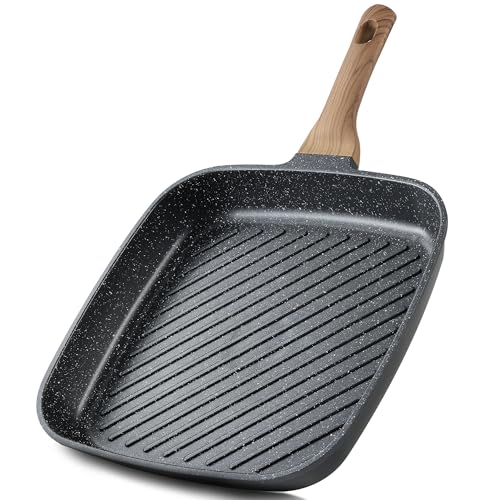
Universal Stovetop Compatibility—Carote grill pan can work flawlessly on gas, induction, electric, and ceramic cooktops. Seamlessly transitions from indoor kitchens to outdoor cooking setups.
Choose the Perfect Rub & Brine for Juicy Ribs
After the ribs have rested, the next step is to lock in flavor with the right rub and brine. Start by patting the meat dry, then cut it into 2‑inch squares for even coating. Mix a dry spice rub using the classic ratio: 2 Tbsp brown sugar, 1 Tbsp smoked paprika, 1 tsp garlic powder, 1 tsp onion powder, ½ tsp kosher salt, and a pinch of black pepper or cayenne. Add optional boosters—½ tsp cinnamon, ¼ tsp celery salt, ¼ tsp ground mustard, ¼ tsp cumin, or a dash of chipotle powder—to tailor heat and depth. Apply generously, let sit 40 minutes. For optimal results, consider using mustard as a binder before applying your dry rub, which helps the spices adhere better to the meat. For the pineapple brine, combine 1 cup pineapple nectar with a splash of sauce, diced habanero, and a spoonful of Texas Pepper Jelly. Submerge ribs for 30 minutes, then pat dry before grilling. The blade‑end cut provides extra meat and tenderness when grilled correctly.

Made for ribs, pork loin, chops, and everyday BBQ
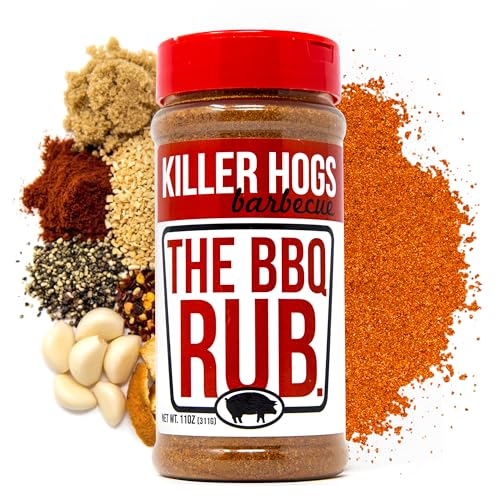
CHAMPIONSHIP PITMASTER FLAVOR: Created by the Killer Hogs Championship BBQ team, this legendary Killer Hogs BBQ Rub delivers a balance of sweetness, spice, and a subtle kick; This BBQ seasoning is ideal for beef, ribs, steak, burgers, pork, and chicken

Mouthwatering seasoning best paired with prime rib.
Set Up a Two‑Zone Grill for Consistent 300‑350°F Heat
You’ll want a reliable two‑zone setup to keep the grill steady at 300‑350 °F, with a hot direct side for searing and a cooler indirect side for slow cooking. Turn on the burners (or light the chimney starter) on one side only, leaving the opposite side off. Preheat with the lid closed until the dome thermometer reads steady 300‑350 °F; this stabilizes heat and lets you achieve optimum temperature. Use a thermometer in each zone to confirm the direct side is hotter while the indirect side stays within the target range. Adjust flame height or damper openings in small increments to maintain proper ventilation and keep the fire alive without overheating. The heat you generate through radiant heat from the hot charcoal directly cooks the ribs while they sit above the heat source. Keep the chamber closed after placing the ribs, and monitor the zones for consistent cooking. Understanding the importance of indirect heat helps prevent over‑cooking while allowing the meat to become tender.
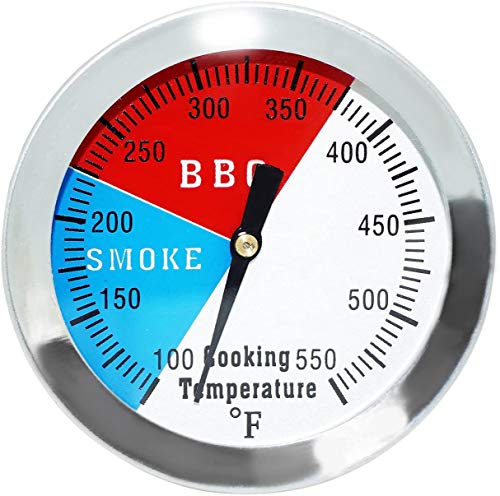
2" BBQ grill smoker pit thermometer stainless steel thermostat pit temp gauge

[FAST & ACCURATE READING] Respond just within 2-3 seconds. The diameter of the dial plate is 2-3/8”, which is big enough for easy reading. With a 4 color-coded temperature range, you can grasp the internal temperature of grills at a glance. Featuring high-temperature measurement sensitivity, the grill thermometer is capable to detect temperature changes with an accuracy of ±0.5% during the entire cooking process.

BBQ charcoal pit temperature gauge with large degree scales and numbers , easy to read even from far away.
Cook Indirect Until the Meat Reaches 110°F
Keep the lid closed, place the country‑style ribs on the cool side of the grill, and let them sit over indirect heat until the internal temperature hits 110 °F. Your grill should stay around 300 °F, with coals on the opposite side and a few smoke wood chunks for flavor. Insert an instant‑read thermometer into the thickest rib section and monitor internal temperature every 20 minutes. If you’re using a gas grill, set the burner to low (250‑300 °F); for charcoal, add unlit briquettes hourly to sustain the heat. Close the vent over the meat to draw smoke through. Using a meat thermometer rather than relying solely on time ensures accurate doneness, as factors like weather and grill consistency can affect cooking duration. When the probe reads 110 °F, you’ve reached the pull point and can prepare for the next searing stage. Country‑style ribs are meatier than other cuts, making them ideal for this indirect cooking method.
Sear Over Direct Heat for Char and Caramelization
When the ribs hit 110 °F, slide them onto the hot side of the grill—400‑450 °F—for a quick sear. Place them directly on the grates over the coals, brush side down, and sear for 2 minutes per side. Flip after the first side to develop an even char and trigger the Maillard reaction, which creates robust flavor. Keep the grill at the ideal temperature, watching the heat so you don’t exceed the 2‑minute limit and burn the exterior. After the sear, move the ribs back to the indirect zone to finish at 315 °F, ensuring the interior reaches 145 °F. Allow the meat to rest for 5‑10 minutes before serving to lock in juiciness and redistribute juices. Country style ribs are actually cut from the pork butt or upper shoulder, not true rib bones.
Brush With Ketchup‑Vinegar Sauce and Dunk for Early Flavor
After the quick sear, move the ribs to the indirect zone and brush them with a warm ketchup‑vinegar sauce while they sit at 135‑140 °F. Heat the sauce until it simmers, then whisk in apple cider vinegar, ketchup, brown sugar, mustard, Worcestershire, garlic and onion powders, and a pinch of cayenne. Apply the first coat as a mop sauce alternate, then dunk each rib briefly to lock in tangy‑sweet flavor. Return the ribs to the grill and repeat the process every 20‑30 minutes, creating a layered sauce application that builds depth without burning. For optimal caramelization, consider slicing onions thinly and cooking them slowly over medium heat to achieve the same golden-brown translucent finish that enhances burger toppings. The vinegar tenderizes the meat, while brown sugar fuels Maillard browning, delivering a moist, caramelized finish ready for the final hot‑side sear. Western‑style sauce typically uses a ketchup‑based blend, which complements the ribs’ flavor profile.
Baste With Marmalade Sauce and Finish on the Hot Side
You’ll start by laying the ribs on the grill’s hot side, then spooning a glossy marmalade‑chili glaze over them every few minutes. Pre‑mix the glaze—orange marmalade, chili sauce, soy, cider vinegar, and a splash of canola oil—until smooth. As the ribs sizzle, turn them every 10‑15 minutes and apply a thin, even coat; this balanced glaze application prevents burning while building layers of flavor. After 20 minutes of direct heat, add butter slices and a drizzle of extra glaze, then continue turning and basting until the surface turns deep amber and glossy. This finishing touches approach locks in moisture, creates a sticky crust, and delivers the sweet‑tangy, smoky profile that defines perfect country‑style ribs. The ribs should be simmered for 45 minutes before grilling to ensure tenderness, which helps render fat and tenderize the meat during the pre-cooking phase.
Raise the Internal Temp to 145°F Without Overcooking
The glaze you just built gives the ribs a sticky, caramelized crust, now focus on getting the meat to the safe, juicy 145 °F mark without drying it out. Set your grill or oven to a low, steady heat—250 °F for a bake or 225 °F for a smoke. Space the ribs a half‑inch apart in an ungreased pan to let hot air circulate evenly. Insert a probe thermometer into the thickest part, avoiding bone, and monitor internal temperature continuously. When the readout hits 145 °F, pull the ribs immediately; higher heat will overcook the shoulder cuts. Let the meat rest after cooking for three minutes, then a final ten‑minute rest to lock in moisture and texture, allowing the connective tissues to break down fully. This method guarantees USDA‑approved safety and juicy perfection. Country‑style ribs are cut from the pork shoulder, which provides rich marbling and flavor.
Rest, Tent, and Serve the Ribs for Maximum Flavor
Even though the ribs have hit the safe 145 °F mark, you still need to let them rest. Transfer the ribs to a cutting board, loosely drape foil over them, and let them sit for at least ten minutes. The foil tent traps residual heat, allowing carryover cooking to raise the internal temperature another five to ten degrees while preventing rapid cooling. This pause lets muscle fibers relax and reabsorb expelled moisture, which maximizes juiciness and enhances texture. Avoid a tight seal; a loose tent stops steam from softening the crust and preserves the bark. After the rest, slice or pull the ribs, serve them at the now‑stable eating temperature, and enjoy a tender, flavorful bite every time. Country‑style ribs cook quickly, so a brief rest is essential to retain moisture.